How to Prepare for Long Distance House Shifting - Complete Guide
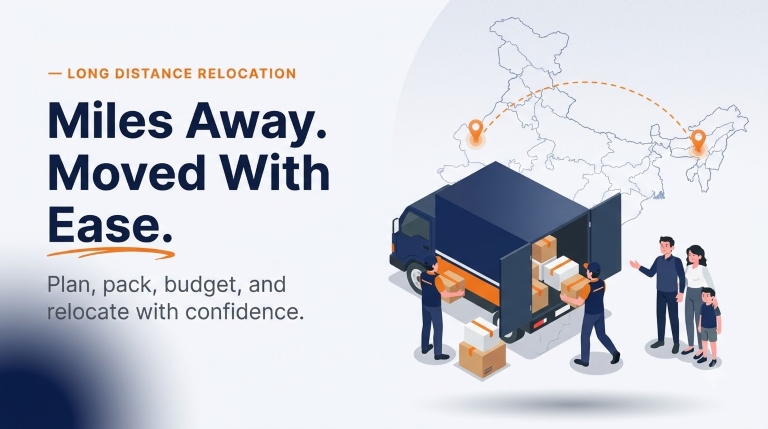
Long distance moves fail more often from poor timing than poor packing — miss the right booking window and you're stuck with fewer mover options and higher prices. This guide gives you a complete plan for how to prepare for a long distance move: an 8-week timeline, a realistic budget breakdown, how to vet movers, and answers to the questions people ask most before relocating long distance.
Long Distance Moving Timeline
Use this week-by-week structure to stay on schedule. The further out you plan, the more mover options and better rates you'll have access to.
8 weeks before
Research and shortlist long distance movers, request written quotes based on an in-home or video inventory survey, and start decluttering room by room so your quote reflects what you'll actually move.
4–6 weeks before
Book your mover in writing, order packing supplies (boxes, tape, bubble wrap, labels), and notify your employer and your children's school of the move date.
2–3 weeks before
Update your address with relevant authorities, schedule utility disconnection at your old home and activation at your new one, and request transfer of medical or school records so they arrive before you do.
1 week before
Confirm all details with your mover in writing — pickup date, delivery window, and point of contact — and pack your essentials box (documents, chargers, toiletries, a few days of clothing).
Moving day
Do a final walkthrough of your old home, keep valuables and important documents with you rather than on the truck, and get a signed bill of lading before the mover departs.
Create a Moving Budget
Long distance moving costs vary widely by market, but a few factors consistently drive the difference:
| Factor | Impact on Cost |
|---|---|
| Distance | Longer distance means higher fuel and labor costs |
| Volume/weight of belongings | More items require a larger truck, more labor, and (for weight-based pricing) a higher bill |
| Season | Summer and month-end moves are typically priced 15–25% higher due to demand |
| Packing service | Full-service packing costs more but saves significant time and effort |
Get a detailed room-by-room inventory done and compare quotes from multiple moving companies before booking. Factor in additional costs like temporary accommodation, storage-in-transit, or utility setup fees at your new home — these are commonly missed in a first-pass budget.
Choose the Right Moving Company
Do thorough research on potential movers, verifying their qualifications before booking, and read recent customer reviews. Discuss your specific needs with each mover to avoid misunderstandings later.
- A mover who demands a large cash deposit upfront
- An estimate given without seeing your inventory in person or via video survey
- No verifiable business address, license, or reviews
- Refusal to provide a written contract or binding estimate
Declutter and Organize Your Belongings

Pack Your Items Efficiently
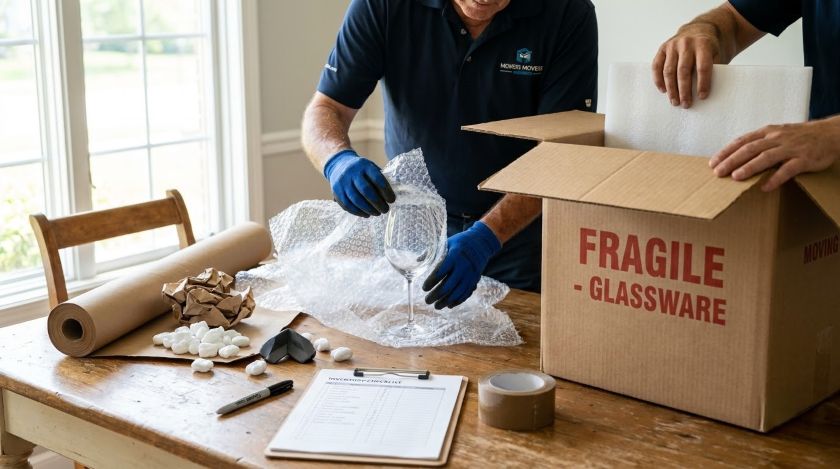
Invest in quality packing materials to protect your belongings, since long distance moves involve longer transit times and more handling than a local move. Use a packing checklist to track what's in each box, and label boxes by room and contents.
Prepare for Transportation
For a long distance move, you generally have three options:
Full-service movers
Handle packing, loading, transport, and unloading. Least labor-intensive, but the highest cost.
Portable moving containers
Delivered to you, you pack them yourself, and the company handles transport. A middle ground on cost and effort.
Self-drive truck rental
The least expensive option but requires the most time, physical effort, and driving over long distances.
If you're renting a truck, see our guide on how to pick the right moving truck size and make sure you have the necessary loading and unloading equipment beforehand.
Take Care of Administrative Tasks
Update your address with relevant authorities, set up utilities at your new home, and transfer medical or school records ahead of your move date rather than after. Also notify your bank and any recurring subscriptions of your address change, and check whether your insurance needs to be transferred or re-quoted for your new location.
For a full walkthrough of this process, see our address changing guide.
Plan for Your Arrival

Before you arrive, confirm that utilities and internet will be active on move-in day, and look up the nearest grocery store, pharmacy, and urgent care to your new home. Draft a simple first-week plan — what needs to happen on day one (unpacking essentials, confirming utilities work) versus what can wait until day seven (finding a doctor, registering your vehicle).
Create an Unpacking Plan
Having a clear unpacking plan makes settling in far more manageable. Prioritize the rooms you'll need first — typically the kitchen and bedrooms — and keep your box-labeling system from packing consistent through unpacking so you're not searching box to box.
Handling Common Long Distance Moving Problems
Even with careful planning, long distance moves involve more variables than local ones. Here's how to handle the most common issues:
Frequently Asked Questions
Conclusion
Preparing for a long distance move comes down to three things: starting early, budgeting realistically, and vetting your mover carefully. Use the timeline above to stay on schedule, and when you're ready, compare quotes through AssureShift's domestic relocation services to find the right fit for your move. Once you've settled in, take a moment to enjoy your new home — you've earned it.