How to Check If a Packers and Movers Company Is Genuine and Qualified

You pay an advance, a truck with a different company’s name arrives, and the final bill is nearly double the quote. This is the most common way unverified movers cause trouble. This guide shows you how to check if a packers and movers company is genuine, step by step, before you pay anything or sign any paper.
Step 1: Verify Business Registration and Credentials
To verify a packers and movers company, check its GST registration, business registration, PAN and physical office. The business name should be the same on its website, its quote and its invoice.

| Check | What it proves | Where to verify |
|---|---|---|
| GST registration | The business is a registered taxpayer and can issue a valid GST invoice. See how GST on packers and movers works. | Search the GSTIN on the official GST portal (gst.gov.in) |
| Company or firm registration (MCA, Udyam or other, as applicable) | The business legally exists under the name it uses | MCA portal for companies; Udyam portal for MSME registrations |
| PAN and business name | The name on the quote and invoice matches the registered entity | Ask for a copy and compare it with the invoice |
| Physical office | The company can be found if something goes wrong | Visit it, or check the address on Google Maps with street view and photos |
| Vehicle registration and permits | The trucks are commercial vehicles that can legally carry goods | Ask for vehicle numbers and check the RC and permit |
| IBA approval (only where relevant) | The company is on the Indian Banks’ Association approved list, which matters mainly for bank-linked and corporate moves | IBA’s published list of approved packers and movers |
Do not accept “we are licensed” on its own
How to spot a fake moving company website
Step 2: Check Who Will Actually Do Your Move
Before you confirm, ask who will physically pack, load and drive. A genuine mover can tell you clearly and put it in writing.
- Own staff and fleet vs. subcontractors: ask if the same company will handle your move end to end.
- Marked vehicles: trucks should carry the company name and contact number.
- A named supervisor: someone you can call on moving day.
- Years in operation: ask for a number and look for proof, such as old reviews or business records.
- On the day: check that the team and vehicle match what was promised, and note the vehicle number.
Step 3: Check Reviews, Complaints and References
Check at least three independent sources before trusting a company’s own website. Look at the Google Business Profile, Justdial, Facebook and Trustpilot, and search the company name with the word “complaint” or “fraud”. You can also check whether complaints against it have been raised through the National Consumer Helpline (1915).
How to read reviews properly:
- Trust recent and detailed reviews that mention specifics such as dates, items or staff behaviour.
- Be suspicious of many generic five-star reviews posted within a few days.
- Read how the company replies to negative reviews. A calm, specific reply is a good sign; no reply or an angry one is not.
- Look at the pattern. A single bad review matters less than the same complaint repeated.
Step 4: Verify the Survey and Written Quote
A genuine mover does a pre-move survey of your goods, in person or by video call, before giving a price. A company that quotes only by phone or email, without seeing what you own, is guessing, and it can change the price later.
The written quote should itemise:

Step 5: Ask These Questions Before You Hire
| Question | A good answer sounds like | Red flag |
|---|---|---|
| Can I see your registration and GST details? | Shares the GSTIN and registration copy without delay | “Not needed” or “we’ll send later” |
| Do you use your own staff and vehicles? | “Yes”, or names the partner transporter and confirms responsibility | Vague or changes the answer |
| Will you survey my goods before quoting? | Offers an in-person or video survey | Quotes only on a call |
| What does the quote include, in writing? | Sends an itemised written quote | Gives one lump sum with no breakup |
| What insurance do you provide, and can I see the policy? | Names the insurer and shares the policy details | “Everything is insured” with no document |
| How do I claim for damage, and within what time? | Explains the claim process and time limit clearly | “We never have damage” |
| Will a supervisor be present on moving day? | Names the person and shares a contact number | No named contact |
Step 6: Read the Paperwork Before You Sign
Read every document before you sign it. A genuine company provides these and is happy to explain them:
Documents
- Written quote
- Work order or contract
- Inventory list
- Consignment note or lorry receipt (LR)
- Insurance papers
- Terms and conditions
What to check
- The company name matches its registration and GST details.
- Your goods are listed accurately in the inventory.
- Liability terms and the claim process are written down.
- The amounts match the quote you agreed.
Step 7: Confirm Insurance and Liability
To be properly protected:
- Ask who pays the premium, what is excluded (for example fragile items, electronics without original packaging, cash and jewellery) and the time limit for claims.
- Declare the value of high-value items in writing.
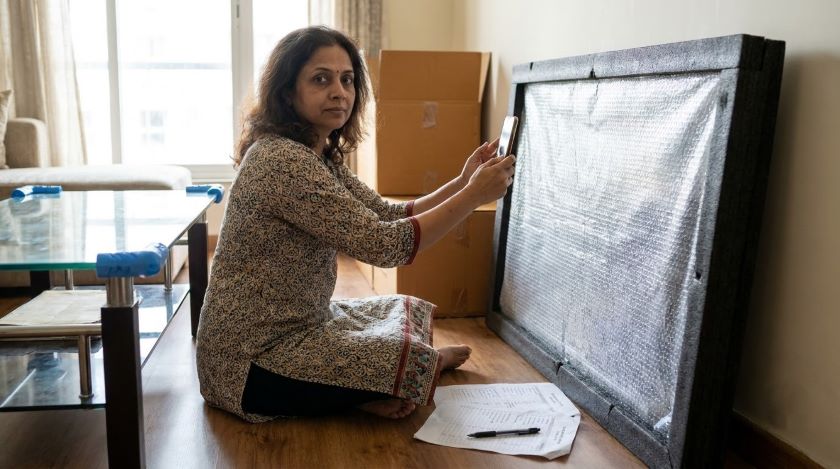
- Keep a moving inventory list with photos of valuable and fragile items before the move.
Red Flags That Show a Moving Company Is Fake or Unqualified
FAQs
Conclusion
Now you know how to check if a packers and movers company is genuine. Before you hire any mover, confirm four things: it is a registered, verifiable business (Step 1), it has a real reputation (Step 3), it gives a written, itemised quote and clear paperwork (Steps 4 to 6), and it offers real insurance (Step 7). If a company avoids any of these, or shows the red flags above, walk away and choose another.
Ready to compare movers?