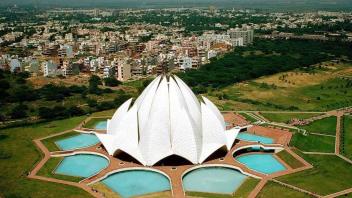
Cost of Living in Delhi 2025: Complete Guide & Prices
Planning to move to Delhi? Every month, thousands of professionals and families relocate to India's capital for government jobs, business opportunities, and cultural experiences. But here's what everyone wants to know: How much does it really cost to live in Delhi?
Whether you're a bachelor starting your first job, a couple planning relocation, or a family with kids, this guide breaks down real expenses—rent, food, transportation, utilities, and lifestyle costs. No fluff, just practical numbers you can use to plan your budget.
Quick Overview: What You'll Actually Spend
Let's cut to the chase. Here's what you can expect to spend monthly in Delhi, depending on your situation:
| Living Situation | Basic Budget | Comfortable Budget | Premium Budget |
|---|---|---|---|
| Single/Bachelor | ₹15,000-₹22,000 | ₹28,000-₹42,000 | ₹45,000-₹65,000 |
| Working Couple | ₹35,000-₹50,000 | ₹55,000-₹80,000 | ₹95,000-₹1,25,000 |
| Family (3-4) | ₹60,000-₹80,000 | ₹95,000-₹1,35,000 | ₹1,50,000-₹1,90,000+ |
These ranges account for rent, food, transportation, utilities, and basic entertainment. Your actual costs depend on lifestyle choices, location, and personal priorities. Let's break down exactly where your money goes.
The Big Five: Major Expenses That Matter Most
Five expense categories will consume 80-90% of your monthly budget. Get these right, and you'll live comfortably within your means.

A. Accommodation: Your Biggest Monthly Expense
Rent will likely be your largest expense—typically 30-40% of your monthly budget. Delhi offers diverse options from budget-friendly suburbs to premium South Delhi localities.
For Bachelors/Singles:
PG (Paying Guest): ₹5,000-₹12,000/month
- Includes: Furnished room, food (in most cases), Wi-Fi, housekeeping
- Best for: First-time movers, cost-conscious professionals
- Popular areas: Laxmi Nagar, Munirka, Uttam Nagar, Rohini
Shared Apartment: ₹7,000-₹15,000/person
- More independence, split costs with roommates
- Need to manage utilities separately
- Better for those who value privacy
1 BHK: ₹10,000-₹30,000
- Full independence, your own space
- Wide range based on location and amenities
- Complete control over your living environment
For Couples:
1 BHK: ₹12,000-₹30,000
- Adequate space for two people
- Can accommodate work-from-home setup
2 BHK: ₹18,000-₹45,000
- Better space, can host guests
- Home office setup possible
- More storage and living area
For Families:
2 BHK: ₹20,000-₹45,000
- Suitable for small families
- Basic amenities included
3 BHK: ₹30,000-₹75,000
- Spacious for families with kids
- Gated communities cost more but offer amenities like parks, gym, and security
- Near good schools: Add 20-30% premium to rent
Neighborhood Guide - Where to Live:
| Area Type | Examples | 1 BHK Rent | Why Choose |
|---|---|---|---|
| Budget-Friendly | Uttam Nagar, Rohini, Govindpuri | ₹8,000-₹15,000 | Affordable, residential, good for families |
| Mid-Range Areas | Laxmi Nagar, Mayur Vihar, Dwarka | ₹12,000-₹25,000 | Metro connectivity, markets, decent infrastructure |
| Premium Central | Saket, Greater Kailash, Vasant Kunj | ₹20,000-₹35,000 | Premium malls, restaurants, excellent connectivity |
💡 Still deciding the locality? Here are the 9 Best Places to Live in Delhi in 2025 (most preferred residential areas for bachelors, couples & families).
The Hidden Costs of Renting:
Beyond monthly rent, prepare for these upfront and ongoing costs:
- Security Deposit: 6-10 months' rent (typically 10 in Delhi) - Plan for ₹80,000-₹2 lakhs upfront
- Brokerage: 1 month's rent if using agent (₹12,000-₹30,000)
- Maintenance: ₹1,200-₹4,500/month in gated communities
- Registration: ₹1,500-₹4,000 for rental agreement
💡 Pro Tip: Want to save? Look for 'no broker' deals on NoBroker, Facebook groups, or direct owner postings. You can save ₹12,000-30,000 in brokerage.
B. Food & Groceries: Cook or Order?
Food costs in Delhi can range from ₹3,000 to ₹15,000+ monthly depending on one choice: do you cook or order in?
Cooking at Home (Most Economical):
Monthly Grocery Budget:
- Bachelor cooking for self: ₹3,000-₹5,000
- Couple: ₹6,000-₹10,000
- Family of 4: ₹10,000-₹16,000
What You'll Pay (Sample Prices):
- Rice (5 kg): ₹220-₹380
- Dal/Pulses (1 kg): ₹75-₹140
- Chicken (1 kg): ₹180-₹280
- Eggs (30): ₹160-₹220
- Vegetables (weekly): ₹350-₹750
- Milk (1L): ₹45-₹60
- Fruits: ₹450-₹900/week
Where to Shop:
- Local Markets (Sabzi Mandi): Cheapest option, 20-30% less than supermarkets
- BigBasket/Blinkit/Zepto: Convenient, competitive pricing, delivery charges ₹0-₹50
- Reliance Fresh/Spencer's: Mid-range, quality assured
Eating Out Culture:
Daily Meal Options:
- Street Food/Dhabas: ₹30-₹100 - Parathas, chaat, momos - authentic Delhi experience
- Office Cafeterias: ₹50-₹100 - Many offices offer subsidized meals
- Local Restaurants: ₹120-₹250 per person - Decent meal with variety
- Mid-range Dining: ₹350-₹700 for two - Weekend treat, good ambiance
- Food Delivery (Swiggy/Zomato): ₹180-₹380 per order - Convenient but adds up quickly
Monthly Eating Out Budget:
- Occasional (1-2x/week): ₹1,800-₹3,500
- Frequent (4-5x/week): ₹5,500-₹11,000
- Daily users: ₹11,000-₹18,000
Meal Subscription Services:
- Alternative to cooking: ₹2,800-₹4,500/month for daily lunch/dinner
💡 Pro Tip: Save ₹4,500+ monthly: Cook dinners at home, eat office lunch, weekend treat yourself. Best of both worlds.
C. Transportation: Getting Around the City
Delhi has one of the best public transport systems in India. Your commute costs can be very affordable if you use metro and buses.
Public Transportation (Most Economical):
DTC Buses:
- Single ticket: ₹10-₹50 per ride
- Monthly pass: ₹1,000 (unlimited travel)
- Best for: Budget-conscious, fixed routes
- Reality check: Can be crowded during peak hours
Delhi Metro:
- Per trip: ₹11-₹64 (distance-based)
- Smart card benefits: 10% discount
- Average daily commute: ₹35-₹55 round trip = ₹900-₹1,400/month
- Best for: Fast, reliable, comfortable, air-conditioned
- Coverage: Extensive network covering Delhi-NCR
Auto Rickshaws:
- Minimum fare: ₹25-₹40
- Per km: ₹13-₹18
- Typical 5 km ride: ₹80-₹130
- Night surcharge: 1.5x after 10 PM
- Reality: Many refuse meter, negotiate upfront
Ride-Sharing & Cabs:
Daily Commuters:
- Ola/Uber regular use: ₹3,000-₹5,500/month
- Peak hour surge can add 50-100%
Bike Taxis (Rapido/Ola Bike):
- Short distance (5-10 km): ₹35-₹90
- Budget-friendly for solo travelers
- Monthly spending: ₹1,300-₹2,800
Owning a Vehicle:
Two-Wheeler (Popular Choice):
- Purchase: ₹75,000-₹1,40,000
- Monthly EMI: ₹2,800-₹5,500
- Petrol (150-200 km/week): ₹1,800-₹3,200/month (@₹102/L)
- Insurance: ₹2,800-₹4,500/year
- Servicing: ₹1,200-₹2,800/6 months
- Parking: ₹400-₹1,200/month
- Total monthly cost: ₹5,500-₹11,000
Car:
- EMI: ₹9,000-₹23,000
- Fuel: ₹4,500-₹9,000/month
- Insurance: ₹16,000-₹28,000/year
- Parking: ₹1,800-₹3,500/month
- Total monthly cost: ₹16,000-₹38,000
💡 Pro Tip: Living near a metro station saves ₹2,500-₹4,500 monthly AND 2-3 hours daily. Factor location into your rent decision.
D. Utilities: The Monthly Essentials
These bills arrive every month. Here's what to expect and how to keep them reasonable.
Electricity:
- 1 BHK: ₹900-₹1,800
- 2 BHK: ₹1,400-₹2,800
- 3 BHK: ₹2,200-₹4,200
- Summer months (April-June): Add 30-50% due to AC usage
- Delhi offers subsidy: 0-200 units free for eligible consumers
Water Supply:
- Municipal connection: ₹200-₹500/month
- Tanker water: ₹400-₹1,200 (especially in summer)
- Reality: Some areas face summer water scarcity
Cooking Gas:
- LPG cylinder (14.2 kg): ₹850-₹1,050
- Lasts: 30-45 days for family, 60-90 days for couples
- Piped gas (where available): ₹650-₹950/month
Internet & Mobile:
- Broadband (fiber): ₹450-₹1,100/month
- 100 Mbps plans: ₹550-₹750 (sufficient for most)
- 300+ Mbps: ₹900-₹1,400 (for heavy users/WFH)
- Mobile prepaid: ₹280-₹650/person
- OTT subscriptions (Netflix, Prime, Hotstar): ₹300-₹1,000 combined
Society/Maintenance:
- Gated communities: ₹1,200-₹4,500/month
- Covers: Security, cleaning, amenities, repairs
- Independent houses: Lower or none
Total Monthly Utilities:
- Bachelor/Small apartment: ₹1,300-₹2,200
- Couple/2BHK: ₹2,200-₹4,000
- Family/3BHK: ₹3,200-₹6,000
💡 Pro Tip: Use LED bulbs, set AC to 24-25°C, and unplug devices when away. Save ₹450-₹900 monthly on electricity.
E. Everything Else: Entertainment, Healthcare & More
Life isn't just about bills. Here's what the fun stuff (and necessities) cost.
Entertainment & Lifestyle:
- Movie tickets: ₹130-₹380
- Gym membership: ₹900-₹2,800/month
- Weekend dining/outings: ₹1,800-₹4,500
- Cafe culture (coffee/co-working): ₹130-₹380 per visit
- Bars/lounges: ₹1,200-₹2,800 per outing
- Shopping (clothes, personal care): ₹1,800-₹4,500/month
Healthcare:
- Doctor consultation: ₹280-₹900
- Routine medicines: ₹450-₹1,400/month
- Health insurance (highly recommended):
- Individual: ₹4,500-₹11,000/year
- Family floater: ₹14,000-₹28,000/year
- Emergency fund: Keep ₹45,000-₹90,000 buffer
For Families - Education:
- Daycare/Preschool: ₹4,500-₹11,000/month
- CBSE/ICSE schools: ₹55,000-₹1,40,000/year (₹4,500-₹11,000/month)
- School transport: ₹1,800-₹3,500/month
- Tuitions/activities: ₹1,800-₹4,500/month
Domestic Help (For working couples/families):
- Part-time maid: ₹1,800-₹3,500/month
- Cook: ₹2,800-₹5,500/month
Quick Expense Comparison:
| Category | Monthly Cost Range |
|---|---|
| Entertainment & Lifestyle | ₹2,800-₹9,000 |
| Healthcare | ₹450-₹1,800 |
| Education (per child) | ₹6,500-₹18,000 |
| Domestic Help | ₹1,800-₹9,000 |
Complete Monthly Budget Breakdown
Now let's put it all together. Here's what real monthly budgets look like for different lifestyles.
A. Single Bachelor/Working Professional
Budget-Conscious Lifestyle (₹18,000-₹25,000):
- Rent (PG with food): ₹10,000
- Additional food/eating out: ₹1,800
- Transportation (public): ₹1,200
- Utilities (if separate): ₹900
- Entertainment: ₹1,300
- Miscellaneous: ₹1,300
- Savings: 20-30% possible on ₹35,000 salary
Comfortable Lifestyle (₹32,000-₹45,000):
- Rent (1BHK): ₹16,000
- Food & groceries: ₹5,500
- Transportation (mix): ₹2,800
- Utilities: ₹1,800
- Entertainment: ₹3,500
- Miscellaneous: ₹2,800
- Ideal salary: ₹45,000-₹65,000
New to the city as a bachelor? Here's a comprehensive guide to help you settle in smoothly: A Bachelor's Guide to Settle in a New City
B. Working Couple (No Kids)
Moderate Lifestyle (₹40,000-₹60,000):
- Rent (2BHK): ₹22,000
- Food & groceries: ₹8,000
- Transportation: ₹4,500
- Utilities: ₹3,200
- Entertainment: ₹4,500
- Miscellaneous: ₹3,500
- Combined salary needed: ₹75,000-₹95,000
Comfortable Lifestyle (₹65,000-₹95,000):
- Rent (2BHK, better area): ₹32,000
- Food & groceries: ₹11,000
- Transportation: ₹7,000
- Utilities: ₹4,000
- Entertainment & dining: ₹7,000
- Shopping/personal care: ₹4,500
- Savings/investments: ₹9,000
- Combined salary needed: ₹1,10,000-₹1,40,000
C. Family with Kids
Basic Comfortable (₹75,000-₹1,05,000):
- Rent (3BHK): ₹35,000
- Food & groceries: ₹14,000
- School fees & activities: ₹9,000
- Transportation: ₹6,500
- Utilities: ₹4,500
- Healthcare: ₹2,800
- Domestic help: ₹2,800
- Entertainment: ₹3,500
- Miscellaneous: ₹4,500
- Household income needed: ₹1,10,000-₹1,50,000
Premium Lifestyle (₹1,35,000-₹1,90,000+):
- Rent (3BHK, premium area): ₹55,000
- Food & groceries: ₹18,000
- School fees (premium): ₹18,000
- Transportation (car + fuel): ₹11,000
- Utilities: ₹6,500
- Healthcare & insurance: ₹4,500
- Domestic help: ₹5,500
- Entertainment & travel: ₹9,000
- Household income needed: ₹1,90,000+
Smart Money-Saving Tips
Want to stretch your budget further? These practical tips can save you ₹4,500-₹14,000 monthly.
Housing: Share apartments (save 40-50%), look for 'no broker' deals, choose suburbs like Rohini or Uttam Nagar, time your move during off-peak season (May-June).
Food: Cook basic meals, shop at local sabzi mandis (20-30% cheaper), use grocery app subscriptions, meal prep on weekends, eat subsidized office lunch.
Transportation: Live near metro station, use metro smart card (10% discount), share cabs with colleagues, bike for short distances.
Utilities: Set AC to 24-25°C, use LED bulbs, unplug devices, share internet costs, choose right mobile plan, benefit from Delhi's electricity subsidy.
Entertainment: Attend free events, use happy hour discounts, share OTT subscriptions, explore free attractions like India Gate, Lodhi Garden, and Hauz Khas Village.
💡 Pro Tip: Follow the 50-30-20 rule: 50% on needs, 30% on wants, 20% on savings. Stick to this and you'll never overspend.
Best Areas to Live Based on Budget & Workplace
Location determines your cost of living more than anything else. Here's a quick guide:
For Professionals working in:
- Connaught Place/Central Delhi: Live in Karol Bagh, Rajendra Place (Rent: ₹12,000-₹25,000)
- Noida/Greater Noida: Live in Noida Sector 62, Sector 137 (Rent: ₹10,000-₹22,000)
- Gurgaon: Live in Gurgaon Sector 14, DLF Phase 3 (Rent: ₹14,000-₹28,000)
- South Delhi: Live in Saket, Malviya Nagar (Rent: ₹18,000-₹35,000)
Budget-Friendly Areas: Uttam Nagar, Rohini, Govindpuri (West/North/South), Laxmi Nagar (East) - Rent: ₹8,000-₹16,000
Family-Friendly: Dwarka, Vasant Kunj, Mayur Vihar, Rohini
💡 Pro Tip: Live within 30 minutes of your workplace. Your time and reduced stress are worth paying ₹2,500-4,500 extra in rent.
Delhi vs Other Metro Cities
How does Delhi compare to other Indian metros?
| City | 1 BHK Rent | Monthly Expenses (Single) | Overall Cost |
|---|---|---|---|
| Delhi | ₹12,000-₹28,000 | ₹22,000-₹42,000 | Moderate |
| Mumbai | ₹25,000-₹50,000 | ₹35,000-₹60,000 | Highest |
| Bangalore | ₹15,000-₹28,000 | ₹25,000-₹45,000 | Moderate-High |
| Hyderabad | ₹10,000-₹22,000 | ₹20,000-₹38,000 | Affordable |
| Pune | ₹12,000-₹25,000 | ₹23,000-₹42,000 | Moderate |
| Chennai | ₹10,000-₹24,000 | ₹20,000-₹40,000 | Affordable |
The Verdict: Delhi is 30-40% cheaper than Mumbai, similar to Bangalore/Pune, but 10-20% pricier than Hyderabad/Chennai. However, it offers excellent public transport (best metro network), diverse job opportunities across sectors, rich cultural heritage, and good connectivity to North India.
What Salary Do You Need to Live Comfortably?
For Bachelors:
- Survival: ₹22,000-₹28,000
- Comfortable: ₹38,000-₹55,000
- Comfortable + Savings: ₹55,000-₹75,000
For Couples (Combined):
- Basic: ₹55,000-₹75,000
- Comfortable: ₹95,000-₹1,30,000
- Comfortable + Travel: ₹1,40,000+
For Families:
- Basic needs: ₹95,000-₹1,25,000
- Comfortable: ₹1,40,000-₹1,90,000
- Premium: ₹2,30,000+
The 50-30-20 Budget Rule:
- 50% on Needs: Rent, food, utilities, transport, insurance
- 30% on Wants: Dining out, entertainment, hobbies
- 20% on Savings: Emergency fund, investments
Example (₹55,000 salary):
Needs: ₹27,500 | Wants: ₹16,500 | Savings: ₹11,000
Industry Average Salaries: IT/Software (₹3.5-11 LPA), Government Jobs (₹3-8 LPA), Healthcare (₹3-9 LPA), Finance (₹4-10 LPA), Media & Marketing (₹3-7 LPA)
💡 Pro Tip: Factor in perks like company transport, subsidized meals, and health insurance—these save ₹4,500-9,000 monthly.
Frequently Asked Questions
Q1: Is ₹28,000 per month enough for a bachelor in Delhi?
Yes, but budget carefully. Opt for PG with food (₹10,000-12,000), use public transport (₹1,200), limit eating out. You'll have ₹4,500-7,500 for other expenses and small savings.
Q2: Which areas are most affordable for living?
Budget-friendly areas: Uttam Nagar, Rohini, Govindpuri (West/North/South), Laxmi Nagar (East). Expect ₹8,000-16,000 for 1BHK. Trade-off: May require metro commute.
Q3: How much security deposit do landlords ask for?
Typically 6-10 months' rent in Delhi. For ₹18,000 monthly rent, expect ₹1,80,000 deposit. Some landlords negotiate for 6 months, especially direct owners.
Q4: Can I live comfortably without knowing Hindi?
While English works in corporate areas and malls, knowing basic Hindi helps significantly with daily interactions, auto negotiations, and local shopping. Learning basics is highly recommended.
Q5: What's the real cost of daily commute?
- Bus pass: ₹1,000/month (cheapest)
- Metro: ₹1,200-1,800/month
- Bike taxi: ₹2,200-3,200/month
- Own two-wheeler: ₹2,200-3,800/month
- Daily cab (20 km): ₹3,500-6,500/month
Q6: When do electricity bills peak?
April-June (summer) due to AC usage. Bills can increase 30-50%. A 2BHK might jump from ₹1,600 to ₹2,900. Use AC at 24-25°C and LED bulbs to save. Delhi offers electricity subsidy for eligible consumers.
Q7: Is health insurance really necessary?
Yes. A single hospitalization costs ₹45,000-₹1.8 lakhs without insurance. Basic insurance costs ₹4,500-11,000/year for individuals—well worth the peace of mind.
Q8: How much emergency fund should I keep?
Minimum 3-6 months of living expenses:
- Bachelor: ₹55,000-₹1,40,000
- Couple: ₹1,10,000-₹2,80,000
- Family: ₹1,80,000-₹3,80,000
Q9: Are groceries more expensive than other cities?
Delhi prices are moderate—slightly cheaper than Bangalore/Mumbai, comparable to Pune. Local sabzi mandis offer 20-30% savings. Monthly groceries for a couple: ₹5,500-9,500.
Q10: Do I need a car in Delhi?
Not necessary. Delhi Metro is excellent and extensive, cabs are readily available. Consider a car only if you have kids, travel frequently outstation, can afford ₹16,000-38,000 monthly, and have office parking.
Q11: What's the cheapest way to commute daily?
DTC monthly bus pass at ₹1,000 or Delhi Metro smart card with 10% discount. These are the most economical options for daily commuting.
Q12: How much does it cost for a family with two kids?
Budget ₹1,10,000-₹1,90,000 monthly including rent (₹35,000-60,000), groceries (₹14,000-18,000), school fees (₹14,000-28,000), transportation, utilities, healthcare, and help.
Q13: Is Delhi's pollution a concern for living costs?
Yes, indirectly. Winter pollution (November-January) may require air purifiers (₹8,000-25,000 one-time + ₹200-500/month for filters) and masks. Factor in potential health impacts and medical costs.
Q14: What about winter heating costs?
December-January can be cold. Budget ₹500-1,500 extra for room heaters and higher electricity bills. Gas geysers increase LPG consumption slightly.
Conclusion: Is Delhi Worth the Cost?
Yes—with smart planning. Delhi isn't the cheapest city, but it offers diverse career opportunities across sectors, India's best metro network, rich cultural and historical heritage, and excellent connectivity. Monthly expenses range from ₹18,000 for bachelors to ₹1,40,000 for families.
Your action plan: Calculate your budget, choose housing near metro stations, plan for upfront costs (₹80,000-2.5 lakhs), build an emergency fund, and follow the 50-30-20 savings rule.
Remember: Don't chase cheap rent at the cost of 2-hour daily commutes. Choose wisely, budget smartly, and Delhi will reward you with opportunities and experiences.
Ready to make your move to Delhi? Let AssureShift handle your relocation hassle-free. Connect with verified packers and movers in Delhi and get transparent pricing, verified professionals, and secure service for a smooth transition.
Make Your Delhi Dream a Reality! Get free quotes and compare the best movers.
💡 New to Delhi? Read our complete Ultimate Guide for Moving to Delhi – from documentation to first-month survival tips.
Make your Delhi dream a reality with AssureShift - India's trusted moving partner!




![Packers and Movers Delhi Charges - 2025 [Updated]](/sites/default/files/styles/blog_teaser/public/images/blog/packers-and-movers-charges-delhi-2025.jpg?itok=Dmp-awoN)