17 Things to Do When Moving to a New Home for the First Time

You've got the keys. The paperwork's done. It finally feels real.
Except the house isn't actually ready to live in yet — and most first-time movers don't find that out until day one, when the wifi's not connected, a tap won't stop dripping, or there's a termite trail across the kitchen floor.
Here are 17 things to do when moving to a new home for the first time — before your boxes arrive, not after.
Structurally safe. Secure. Utilities working. Space planned out. Get those four right, and everything else falls into place.
Safety & Structural Checks
Before anything else, the house needs to be physically safe to live in. These eight checks catch the issues that cause real problems later — electric shocks, water damage, and health hazards — while the house is still empty and easy to inspect.
1. Deep clean the house
How to do it:
- Start with ceilings and windows first, so dust settles onto the floor and gets cleaned up last.
- Disinfect the bathroom fully; consider replacing toilet seats.
- Scrub the kitchen thoroughly, targeting grease buildup in corners and behind appliances.
- Vacuum or sweep every room, focusing on corners and skirting boards.
- Mop the entire house with a proper disinfectant floor cleaner.
- Clean the entrance last so it feels welcoming when you walk in with your boxes.
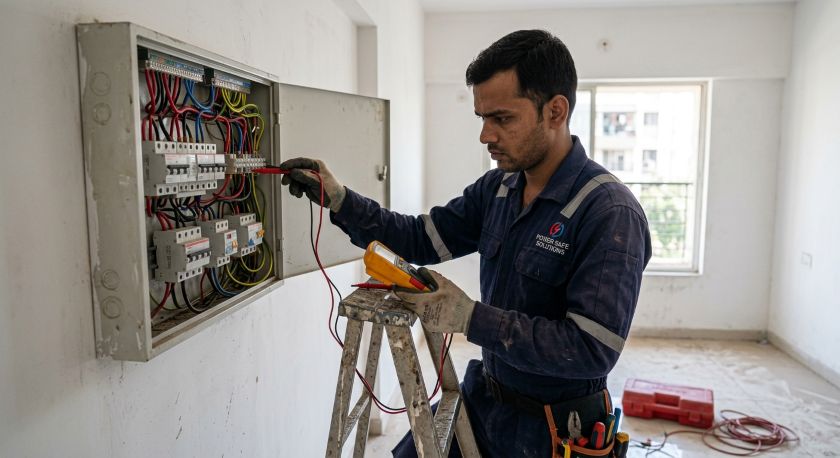
2. Check electrical plug points & wiring
How to do it:
- Hire an electrician to inspect the wiring and earthing/grounding of the property.
- Test every plug point and switchboard in the house individually.
- Upgrade any outlets that don't meet current voltage and safety standards.
3. Check taps and pipes for leaks
How to do it:
- Test every tap and faucet for dripping.
- Check under sinks for slow leaks in old drain pipes.
- Run the water heater and check for leaks at the connections.
- Flush every toilet and check for a running or trickling cistern.
- Check drains for clogging and water valves for seepage.
4. Check electricity & water meter readings
How to do it:
- Note the electricity and water meter readings as soon as you arrive.
- Avoid using electricity or water for about two hours while you do other move-in tasks.
- Recheck both meters — if the readings moved with no usage, you likely have a leak, a faulty meter, or a defective circuit.
5. Locate main electrical, water & gas shut-offs
How to do it:
- Find and label the main electrical breaker/fuse box.
- Locate the main water shut-off valve, usually near the water meter or where the supply line enters the house.
- If you have a gas connection, confirm the location of the gas shut-off valve with your provider.
- Save a photo of each location on your phone for quick reference.
6. Test smoke detectors / basic fire safety
How to do it:
- Test any existing smoke detectors and replace batteries immediately, regardless of when they were last changed.
- If the house doesn't have one, install a basic smoke detector in the kitchen and near bedrooms.
- Keep a small fire extinguisher in the kitchen and check its expiry date.
- Confirm you know the quickest exit route from each room.
7. Check for dampness, mold, or structural cracks
How to do it:
- Check corners of ceilings and walls, especially in bathrooms and kitchens, for damp patches or discoloration.
- Look behind where furniture will sit, since sellers/landlords sometimes place furniture to hide damage.
- Check window and door frames for cracks or water staining.
- If you notice any mold smell or visible spots, address it before moving belongings in, as mold spreads faster once fabric and furniture are present.
8. Pest control
How to do it:
- Spray bug repellent throughout the house during your pre-move visit, or book a professional pest control service for a thorough job.
- Seal small cracks and gaps around windows, doors, and floor corners.
- Clean the kitchen thoroughly so there's no accessible food source.
- Dehumidify damp areas, since pests are drawn to moisture.
- Clear any garbage from around the property before moving in.
Security & Access
Once the house is safe, the next priority is making sure you — and only you — control who has access to it.
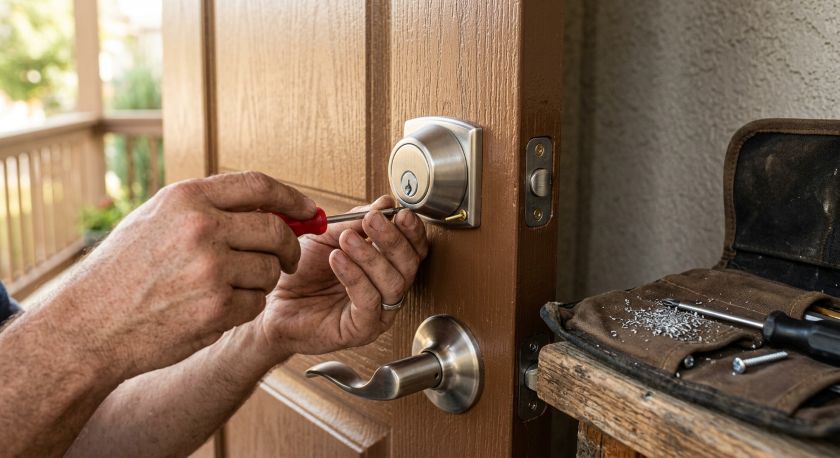
9. Change the locks
How to do it:
- If you own the property, replace the locks outright — it's the simplest and most reliable option.
- If you're renting, most landlords won't allow lock replacement, so instead get written confirmation that only you and the landlord hold copies of the keys.
- Consider adding a secondary deadbolt or smart lock for extra security if your lease allows it.
10. Confirm parking & society/RWA rules
How to do it:
- Confirm your allotted parking slot with the society office or RWA (Resident Welfare Association) before move-in day.
- Ask about visitor parking rules, since your movers will need somewhere to park.
- Check move-in timing restrictions — many societies restrict furniture moves to specific hours or require advance notice to security.
- Get the RWA's contact details and any registration/NOC paperwork required for new residents.
Utilities & Admin
These two tasks are about making sure your daily life functions from day one — both practically and administratively.
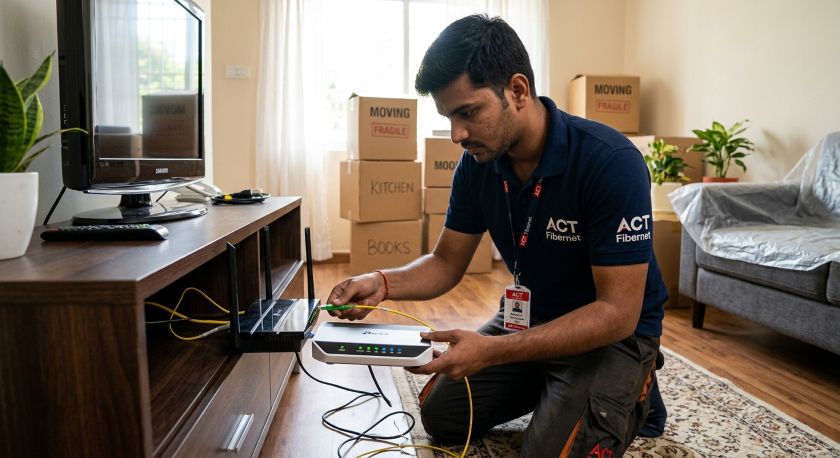
11. Set up utilities
How to do it:
Call each of the following and confirm a start date that lines up with your move-in day:
- Electricity board
- Water supply
- Gas connection
- Internet service provider
- Milk and newspaper vendors
- TV cable or DTH provider
12. Update your address
How to do it:
- Update your address on bank accounts and any linked cards.
- Update Aadhar, voter ID, PAN, and driving license records.
- Notify your insurance providers (health, vehicle, home) of the new address.
- Update delivery addresses on major subscriptions and e-commerce accounts.
- Redirect or update mail with your previous landlord/society if applicable.
Space Planning
With safety, security, and utilities sorted, this is where you decide how the house will actually function for your family.
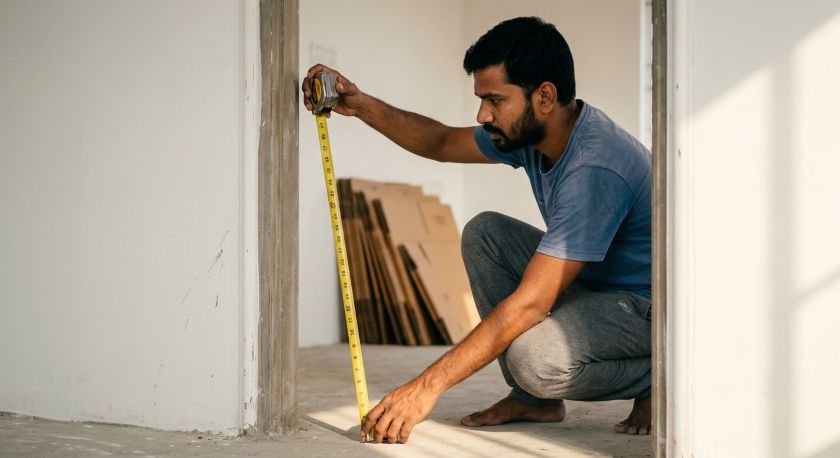
13. Make sure your furniture fits
How to do it:
- Measure every doorway, staircase turn, and room with a tape measure.
- Keep your furniture dimensions handy for comparison.
- Cross-check which pieces will fit and which won't, before moving day, not on it.
- If something won't fit or won't suit the new space, consider selling or exchanging it through a resale platform and picking up something better suited to the new home.
14. Plan the layout of your rooms
How to do it:
- Take measurements of rooms and major furniture pieces so you know what fits where.
- Position furniture to make the most of natural daylight — it makes rooms feel larger and more livable.
- Plan curtain or blind placement for each window at the same time as furniture layout, so measurements are taken once.
- Think about practical storage — where bulky items, shoes, and daily-use things will live — before boxes start piling up.
- Factor in your family's actual daily routine (who uses which room, when) rather than just aesthetics.
Finishing Touches
A few small fixes make the house feel new without requiring major renovation work.
15. Replace old fittings
How to do it:
- Replace switch plates with clean, modern ones.
- Install fans that suit your style and are in good working condition.
- Swap old bulbs for LED ones — an easy, low-cost energy-saving upgrade you can do on day one, without needing a full home energy audit.
16. Pack a first-night essentials box
How to do it:
- Pack a change of clothes, toiletries, and basic bedding for everyone in the family.
- Include phone chargers, a flashlight, and any daily medication.
- Add basic cleaning supplies, toilet paper, and hand soap.
- Include snacks, drinking water, and a few basic kitchen items (kettle, mugs, a knife) so you're not dependent on unpacking the kitchen first.
- Label this box clearly and load it last so it comes off the truck first.
Settling In
17. Know your neighbors
How to do it:
- Introduce yourself while you're at the house handling pre-move tasks, before the move-in rush.
- Mention your move-in date so they know when to expect activity.
- If you have kids or pets, a friendly introduction now makes the neighborhood feel familiar faster.
- Exchange contact details with at least one or two immediate neighbors for day-to-day convenience.
Frequently Asked Questions
Conclusion
Getting a new home truly move-in ready comes down to four things: making sure it's structurally safe, securing it properly, getting your utilities running, and planning the space before you unpack. Working through this list before your boxes arrive means your first night in the new house is spent settling in, not troubleshooting a dripping tap or a fuse box you can't find.
If you'd rather hand off the heavy lifting, Assureshift's professional house shifting services can help with everything from packing to the actual move, so you can focus on getting the house ready instead of hauling boxes.
Here's to a smooth move and a house that already feels like home.