10 Expert Tips to Pack Fragile & Valuable Items Safely for a Move
A single dropped box can turn a family heirloom into a pile of shattered glass — and it happens more often than most people expect during a move. If you're wondering how to pack fragile and valuable items so they survive the trip to your new home intact, you're in the right place.
This guide covers proven, professional-grade techniques for packing everything from glassware and mirrors to electronics, jewelry, and antiques. Follow these 10 steps — the same ones trained packers use — and you'll significantly cut the risk of damage, loss, or an expensive insurance claim.
In This Guide
1. Choose the Right Packing Materials & Boxes
The right materials are the foundation of safe packing — using the wrong ones is the single most common reason fragile items break in transit.
Match your materials to the item, not just what you have on hand:
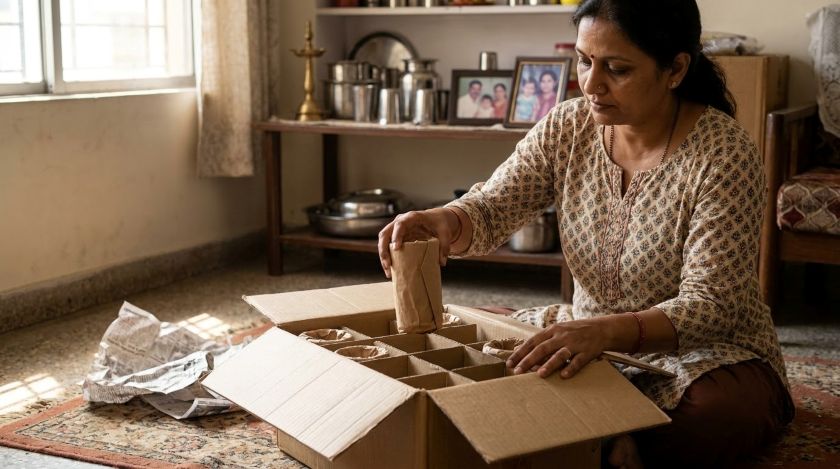
- Glassware and dishes: Dish-pack boxes with corrugated dividers, plus packing paper for individual wrapping
- Mirrors, artwork, and framed items: Flat mirror/picture boxes with cardboard corner protectors
- Electronics: Anti-static bubble wrap and, where possible, original manufacturer boxes
- Small valuables (jewelry, collectibles): Small padded boxes or pouches, never loose in a larger box
- Odd-shaped or delicate items: Foam peanuts or molded foam inserts to prevent shifting
2. Identify and Sort Your Fragile & Valuable Items
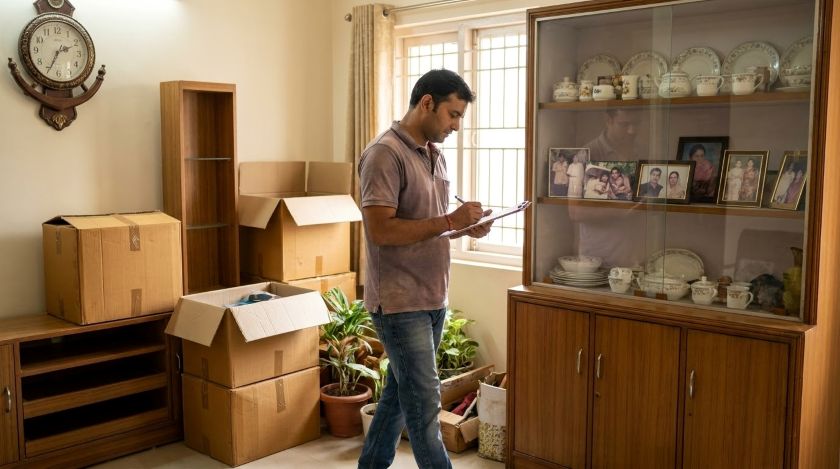
Before you pack a single box, walk through your home and identify exactly which items need special handling. This step is about triage, not tidying — the goal is to flag every item that's breakable, sentimental, or high in value so you can plan the right packing approach for each one.
- Fragile: Glassware, ceramics, mirrors, artwork, musical instruments
- Valuable: Jewelry, electronics, antiques, important documents, collectibles
As you go, create a simple written or photo inventory of these items. This list will be useful later for two things: giving clear instructions to movers, and supporting any insurance claim if something is damaged.
3. Wrap Each Item the Right Way
Generic wrapping advice ("use bubble wrap") isn't enough — different items need different techniques to stay protected.
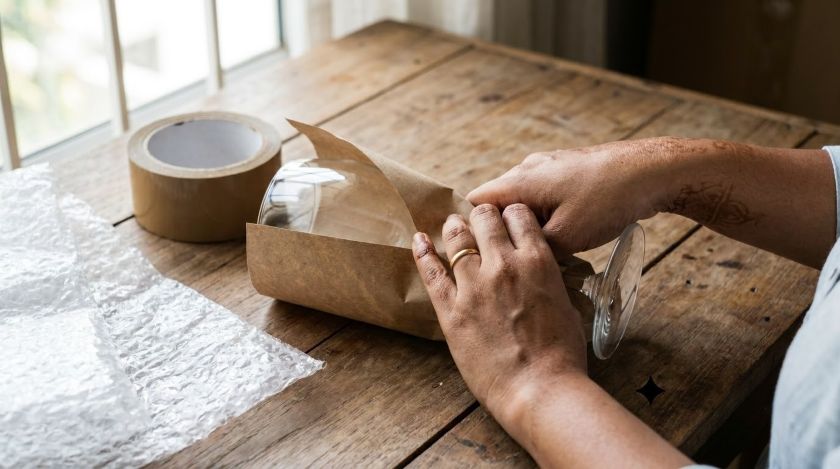
- Glassware: Wrap each piece individually in 2 layers of packing paper, stem-first for stemware, then place upright in a divided dish-pack box
- Plates and dishes: Wrap individually and pack vertically (like records), never stacked flat — flat stacking is a top cause of cracked plates
- Mirrors and framed art: Wrap in bubble wrap, then a flat picture box with corner protectors; label "GLASS – DO NOT LAY FLAT"
- Electronics: Use anti-static wrap, keep original boxes/foam if available, and remove batteries before packing
- Jewelry: Wrap individually in soft cloth or small padded boxes to prevent tangling or scratching — see our detailed guide on how to pack jewelry for a move for piece-specific techniques.
4. Pack, Load, and Stack Boxes Without Overloading
Overpacked and poorly loaded boxes are one of the most preventable causes of moving damage. Two rules govern this step: don't exceed a safe weight per box, and load boxes in the right order.
- Keep boxes under roughly 20 kg (44 lbs) so they're liftable and won't buckle
- Distribute fragile items across multiple boxes rather than cramming one box full
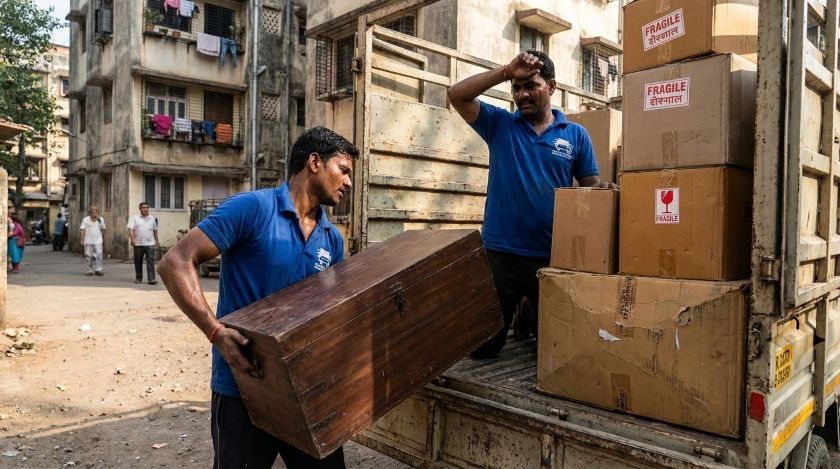
- When loading a truck or stacking boxes at home: heavier boxes go on the bottom, fragile/lighter boxes go on top — never the reverse
- Never stack anything heavy directly on top of a box marked fragile
5. Label Boxes for Fragile Handling
Clear labeling is what stands between careful handling and an accident — for both you and anyone helping you move. For a complete system, check out our guide on how to label boxes for household shifting.
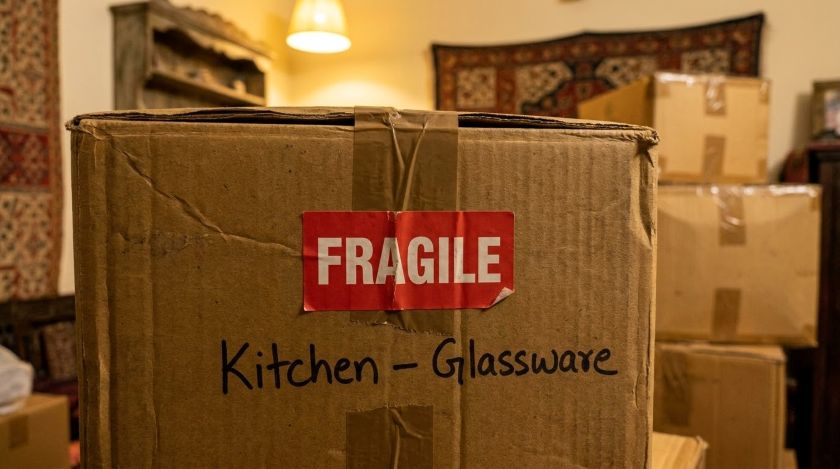
- Use bold, visible "FRAGILE" labels on all four sides of the box, not just the top
- Add "THIS SIDE UP" arrows where orientation matters (mirrors, electronics)
- Include a short contents note and destination room (e.g., "Kitchen – Glassware")
- Consider a color-coded sticker system by room for faster, safer unloading
6. Take Extra Care with Electronics and Antiques
Electronics and antiques need handling that goes beyond standard fragile-item wrapping.
Electronics:
- Use anti-static wrap, not regular bubble wrap, to avoid static damage to circuitry
- Pack in original manufacturer boxes with foam inserts whenever you've kept them
- Avoid extreme temperatures — don't leave electronics in a hot truck or trailer for extended periods
- Back up data and remove batteries before packing
Antiques:
- Avoid plastic wrap directly on wood or metal finishes, which can trap moisture and damage the surface — use acid-free packing paper first
- Disassemble removable parts (legs, handles) where possible and wrap separately
- For high-value or irreplaceable antiques, consider a custom wooden crate
Read our full guide to safeguarding appliances and electronics for moving for step-by-step precautions.
7. Know When to Bring in Professional Packers
You don't need professional packers for every box — but for certain fragile and valuable items, it's worth the cost.
Consider hiring professionals specifically for:
- Pianos and large musical instruments
- Fine art, sculptures, and large mirrors
- Antiques with delicate finishes or structural fragility
- High-value electronics or collections you can't afford to risk
Professional packers bring purpose-built crating, proper cushioning materials, and experience handling awkward or irreplaceable items — reducing risk on the pieces that matter most. Comparing options from verified moving companies in India can help you find packers experienced with high-value and fragile items.
8. Insure and Document Your Valuables Before the Move
Even careful packing can't eliminate all risk during a move, which is why documentation and insurance matter as a final safety net.
- Photograph valuable and fragile items before packing, showing their condition
- Keep receipts or appraisals for high-value items (jewelry, electronics, antiques) so their worth is easy to verify
- Ask your moving company what packing-related coverage they offer, and whether it covers the full replacement value of your valuables
- Keep this documentation separate from the moving boxes — carry it with you, not in the truck
9. Unpack Carefully at Your New Home
The risk doesn't end when the truck is unloaded — careless unpacking can undo all the care you took packing.
- Unpack boxes labeled fragile first and separately, before general unpacking begins
- Unwrap items over a soft surface like a bed, rug, or folded blanket in case something slips
- Check each item for damage as you unwrap it, and keep the packing materials nearby until you've confirmed everything is intact — you'll need this as evidence if you need to file a claim
- Unpack fragile items in a clear, uncluttered space to avoid accidental knocks
10. Quick-Reference Checklist
- Use item-matched materials and boxes (dish packs, mirror boxes, anti-static wrap)
- Sort and list all fragile/valuable items before packing day
- Wrap each item individually using the right technique for its type
- Keep boxes under ~20 kg and load heavy-bottom, fragile-top
- Label all four sides of fragile boxes clearly
- Give electronics and antiques special material and handling care
- Hire professional packers for your highest-risk items
- Photograph and document valuables, and confirm insurance coverage
- Unpack fragile boxes first, over a soft surface, checking each item
FAQs
Conclusion
Packing fragile and valuable items well comes down to using the right materials, wrapping each piece properly, and handling weight and labeling with care from start to finish. Follow the steps above and you'll dramatically lower the risk of damage, no matter how far you're moving.
If you'd rather leave your most delicate or valuable items in expert hands, AssureShift's professional packers can handle the wrapping, crating, and loading for you.