12 Important Things to Know Before Renting a House in India
Thousands of tenants in India sign a rental agreement without asking the right questions — and end up paying hidden charges, losing their security deposit, or facing an uncooperative landlord. Most of these problems are not bad luck. They happen because the right checks were never done before signing the lease.
This guide covers the most important things to know before renting a house in India — from verifying your landlord's ownership documents to understanding your legal rights as a tenant. Whether you're renting for the first time or relocating to a new city, this checklist helps you move in with zero surprises.
Everything here applies before you sign. Legal checks, financial clarity, property inspection, safety verification — covered in full.
1. Verify the Landlord's Ownership Documents
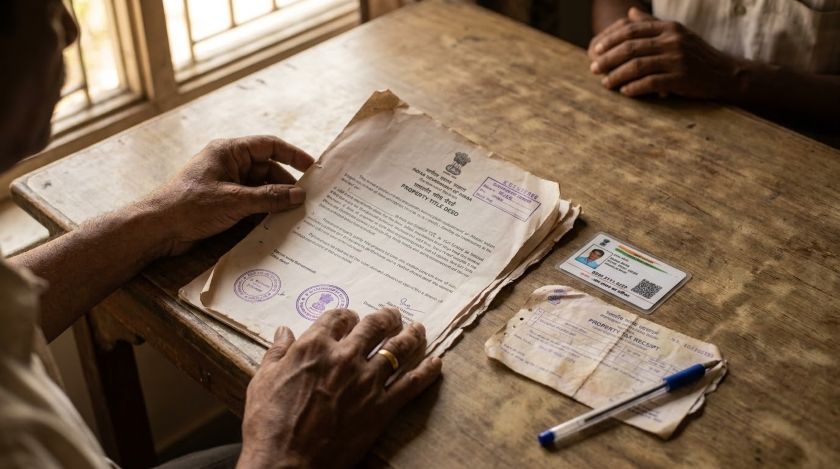
Property fraud in Indian rentals is not rare — people have paid advance rent to brokers posing as owners, only to discover the property was never theirs to rent. The safest first step is confirming legal ownership before any money changes hands.
Ask to see these documents before you proceed:
2. Always Get a Written and Registered Rent Agreement
A verbal understanding with a landlord is legally worthless. A written agreement is non-negotiable — and for tenancies of 12 months or more, it must be registered with the local sub-registrar under the Registration Act, 1908.
Before you sign, confirm the agreement includes all of these clauses:
3. Inspect the Property in Person Before Signing
Photos and virtual tours do not reveal dampness, poor water pressure, or a noisy neighbourhood. A physical visit is mandatory — and it is your opportunity to document existing damage so you are not held responsible for it later.
Check all of the following during your visit:

4. Ask About Every Charge — Not Just the Base Rent
The monthly rent on paper is rarely your actual monthly outflow. Tenants regularly discover extra charges only after moving in. Clarify every cost before committing.
| Charge | Typically Paid By | Action |
|---|---|---|
| Base rent | Tenant | Confirm exact amount |
| Society maintenance | Clarify | Get a written answer |
| Electricity bill | Tenant | Check meter type (individual/shared) |
| Water charges | Clarify | Varies by property |
| Car/bike parking | Clarify | Confirm if included or separate |
| DG/generator backup | Clarify | Ask about per-unit cost |
| Electricity & water meter deposit | Tenant (one-time) | Confirm upfront amount |
| Housekeeping/lift levy | Landlord | Verify who pays |
5. Understand the Security Deposit Terms Before You Pay
Security deposit norms in India vary dramatically by city. Knowing the standard before you negotiate puts you in a much stronger position.
| City | Typical Security Deposit |
|---|---|
| Delhi / NCR | 2–3 months' rent |
| Mumbai | 2–3 months' rent |
| Bengaluru | Up to 10 months' rent |
| Hyderabad | 2–3 months' rent |
| Chennai | 2–5 months' rent |
| Pune | 2–3 months' rent |
Before paying, confirm all of these in writing:
6. Know Your Legal Rights as a Tenant in India
Most tenants in India sign a lease without knowing what the law guarantees them. Understanding your rights before signing means you can negotiate better and spot illegal clauses in the agreement before it's too late.
| Your Right | What It Means |
|---|---|
| Right to a written agreement | You cannot be forced into a verbal-only tenancy |
| Right to basic amenities | A landlord cannot cut water or electricity to force you to vacate |
| Right to privacy | A landlord cannot enter the premises without your prior permission |
| Protection from illegal eviction | You cannot be evicted without proper notice and, if disputed, a court order |
| Right to advance notice | Landlord must give adequate notice before asking you to vacate |
| Right to fair deposit refund | Deductions must be justified and documented — you can dispute unfair cuts |
7. Confirm Rent Payment Terms — Due Date, Mode, and Penalty
Before signing, nail down every detail around how and when rent is paid — ambiguity here is a common source of disputes.
8. Discuss the Lock-In Period, Notice Period, and Exit Clause
These three terms are among the most overlooked in any rental agreement — and the most expensive to discover after signing.
| Term | What It Means | Typical in India |
|---|---|---|
| Lock-in period | Minimum duration you must stay — leaving early has a penalty | 6–11 months |
| Tenant notice period | Advance notice you must give before vacating | 1–2 months |
| Landlord notice period | Notice the landlord must give before asking you to leave | Must match or exceed tenant notice |
| Annual rent hike | Percentage by which rent can be revised each year | 5–10% |
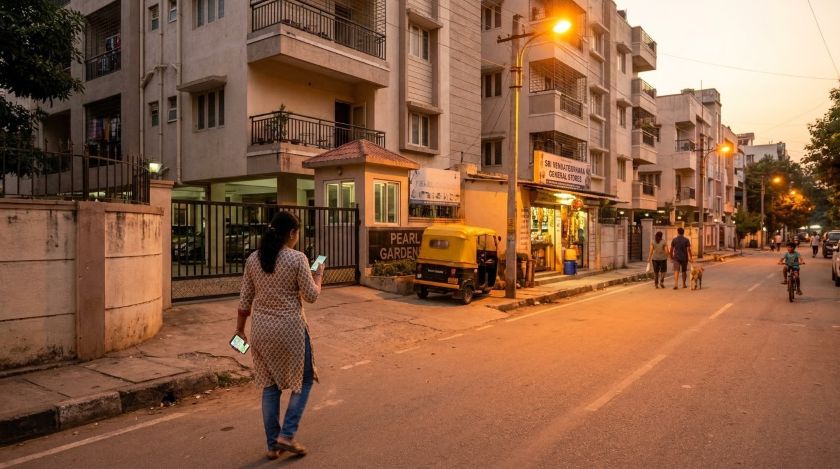
9. Check the Locality — Safety, Connectivity, and Essentials
A good house in a poorly suited locality is still a poor decision. Pre-rental locality research is practical due diligence, not lifestyle preference.
10. Check the Property's Security Infrastructure
Property-level security is a fixed factor you verify before signing — you cannot negotiate it into existence after moving in. Ask and physically confirm each of the following:
11. Clarify House Rules — Pets, Guests, and Roommates
These three areas are among the most common sources of mid-tenancy conflict in India — usually because they were left as verbal understandings instead of written terms.
12. Evaluate the Landlord Before Making Any Commitment
A well-located, well-priced house with a difficult landlord is still a bad rental decision. The quality of the landlord directly determines the quality of your experience as a tenant.
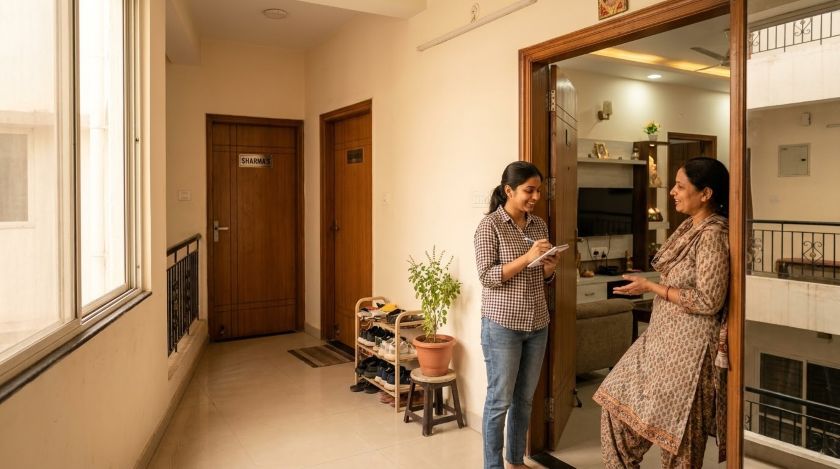
Before committing, try to speak with previous or current tenants in the building. They will tell you things no document will. Also assess:
Watch for These Red Flags Before You Sign
Frequently Asked Questions About Renting a House in India
Final Word — Know Before You Rent
Informed tenants avoid most common rental problems before they start. Every dispute over hidden charges, a withheld deposit, or an illegal eviction can be traced back to something that was left unchecked or unwritten before the lease was signed.
Before finalising any rental property: run through this checklist, visit the property in person, speak to an existing tenant in the building, and read every clause of the agreement carefully before signing anything. Do not let urgency — real or created by the landlord — skip any of these steps.
Renting smart starts before the agreement is signed — not after.
Once you've signed and are ready to move in, use our packing and moving cost calculator to get an instant estimate of your shifting charges before hiring packers and movers.
Once you've found the right home, make your move hassle-free — compare and hire trusted Packers and Movers near you.