10 Smart Ways to Reduce Home Shifting Charges
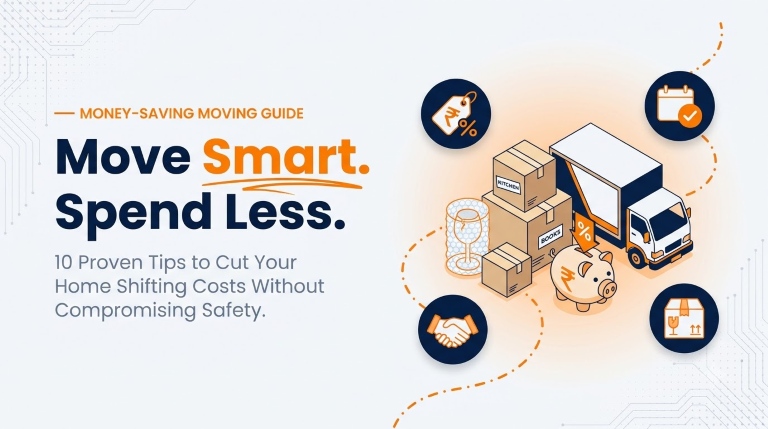
Home shifting can quickly get expensive — packing, transportation, labour, and additional services can push moving costs beyond ₹50,000, depending on the distance, household size, and services you choose. Fortunately, many of these expenses are avoidable with proper planning. This guide covers 10 practical, expert-backed ways to lower your home shifting cost, from comparing packers and movers quotes to decluttering and choosing the right moving date—without compromising the safety of your belongings.
Ready to dive deeper? Here are 10 practical tips to help you save money on your next move.
Plan Early
Planning ahead is one of the best ways to secure early-bird discounts, avoid last-minute expenses, and negotiate with movers.
-
Book services early: Secure better deals and early-bird discounts by booking packers and movers well in advance.
-
Avoid last-minute expenses: Ample time to plan and organise helps you avoid additional costs from last-minute changes or delays.
-
Negotiate effectively: More time to research and compare providers means better rates and conditions.
Set a Budget to Control Your Expenses
Creating a budget for your relocation helps you track expenses, prioritise spending, and stay within your financial limits.
-
Financial control: A budget helps you identify and control moving expenses so you don't overspend or incur unexpected costs.
-
Prioritisation: Budgeting lets you allocate funds to the most critical parts of your move.
-
Reduced stress: Having a financial plan in place eases the stress of relocating.
Research and Compare Packers and Movers
Collecting quotations from multiple companies lets you compare packers and movers charges, services, and terms before deciding.
-
Make a list: Search online or ask for recommendations from friends, family, or colleagues.
-
Request quotations: Ask shortlisted companies for detailed quotations, including a breakdown of services and costs.
-
Compare the quotations: Identify the most cost-effective options while keeping quality of service in mind.
Get Free Quotes from Verified Movers
Once you've shortlisted a few movers based on quotations and credibility, it's time to negotiate further:
-
Highlight the competition: Inform movers about lower rates offered by competitors to encourage a better deal.
-
Discuss discounts and promotions: Ask about ongoing offers that may not be in the initial quotation.
-
Be flexible with dates: Flexibility can help you negotiate a better rate during a less busy period.
Choose the Right Time to Move
If your move date is flexible, timing it right can further reduce your shifting charges. Movers often charge higher rates during peak seasons.
-
Winter (December to February): Demand for moving services is lower during colder months, making it simpler to negotiate better rates.
-
Monsoon (June to September): Moving services are also less in demand during monsoon, letting you negotiate lower rates.
-
Weekdays: Weekends are busier for movers, resulting in higher costs. Moving on a weekday means lower rates and greater availability.
Declutter and Organise Your Belongings
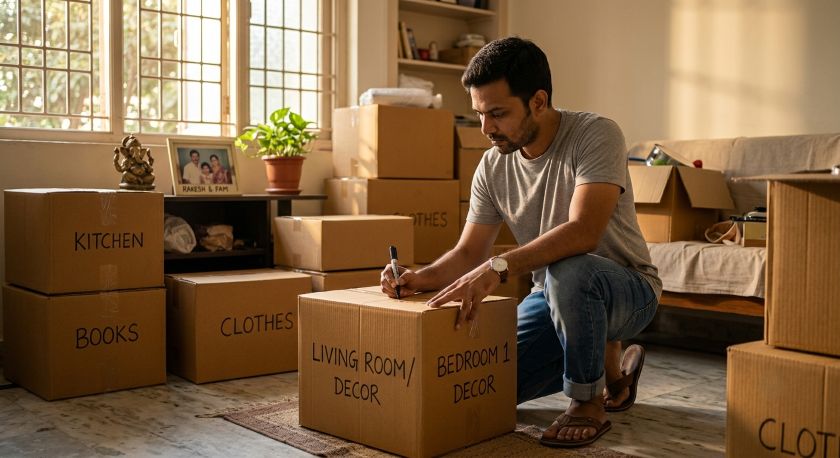
Decluttering and organising your belongings before relocating can greatly lower your moving costs.
-
Lower moving costs: The fewer items you have, the less you'll need to pack and transport.
-
Easier packing and unpacking: Fewer belongings make packing and unpacking a more manageable task.
-
Less clutter in the new home: You only bring items you genuinely need or want, creating a more organised space.
Once decluttered, organise and label your belongings to make packing, moving, and unpacking more efficient:
-
Sort items by category: Group similar items together, such as clothing, kitchenware, electronics, and books.
-
Use clear labels: Label boxes with the contents and the room they belong to in your new home.
-
Colour-code: Assign a colour to each room and use coloured labels or tape to identify boxes' destinations.
-
Create an inventory: List all boxes and their contents to track belongings and simplify unpacking.
DIY Packing and Unpacking
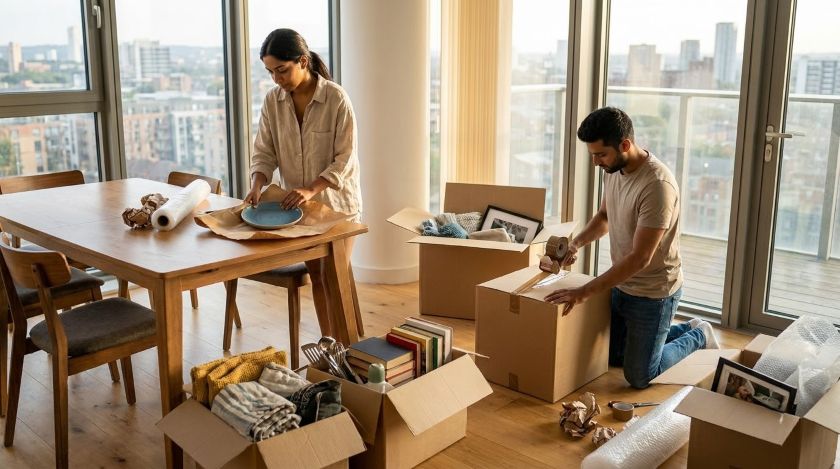
DIY packing tips can help you pack and unpack your belongings yourself, rather than hiring professionals, significantly reducing shifting charges for short-distance moves.
-
Cost savings: Doing the packing yourself saves money on professional packing services.
-
Personalised care: You understand your items' value and fragility better than anyone else.
-
Flexibility: Packing at your own pace lets you start early and spread the task over several days, reducing last-minute pressure.
Opt for Shared Transportation
Choosing shared transportation for your relocation can be a cost-effective way to reduce your shifting charges.
-
Reduced costs: Sharing the moving truck with another party splits the transportation expense.
-
Environmentally friendly: Sharing a truck reduces the overall number of vehicles on the road, lowering carbon emissions.
-
Availability: In peak seasons, sharing transportation increases your chances of securing a truck for your preferred date.
Disconnect Utilities at Old Home
Disconnecting utility services at your old home before you move out is a simple way to avoid unnecessary expenditure — a task people often forget until the bills arrive for services they never used.
-
Make a list of utility providers: Include electricity, water, gas, internet, cable, and telephone.
-
Check your contracts: Review notice requirements or penalties for early termination.
-
Schedule disconnections: Arrange disconnection on or shortly after your moving day, giving required notice to avoid penalties.
-
Pay outstanding bills: Ensure all bills are settled before you move out.
Make Appliances Ready to Move
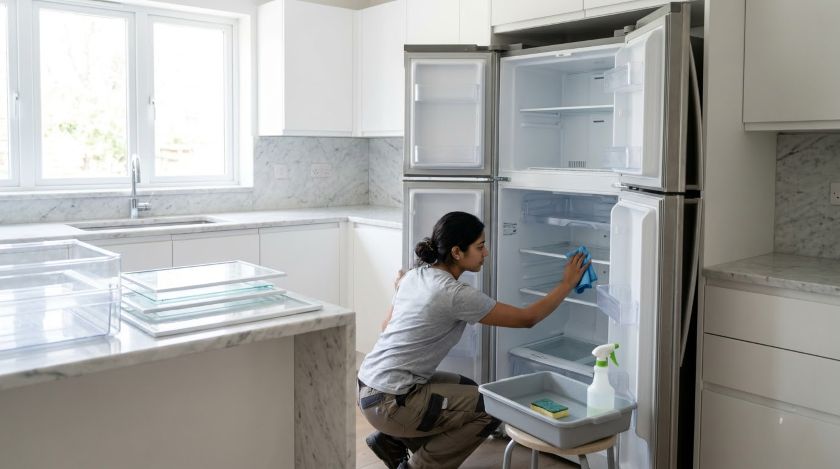
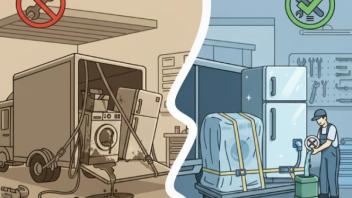
Preparing your devices before moving day helps save on shifting charges. Packers and movers may charge extra to dismantle appliances like a fridge or AC, and to handle leaking appliances that aren't cleaned beforehand.
If you have the right knowledge and skills, you could reduce disassembling costs by doing it yourself. If you're unsure, it's better left to professionals who use the right tools and follow proper guidelines to avoid damage.
Keep Valuables and Necessities Close By
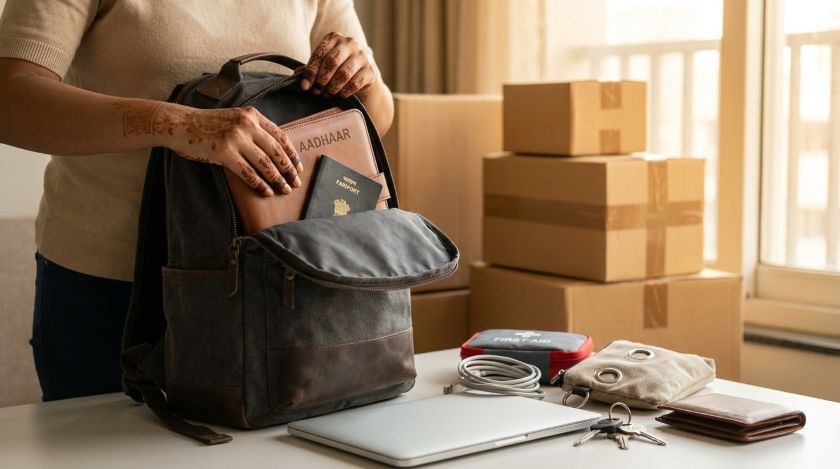
Before packing everything into boxes, prepare a bag with all the essentials you'll need to survive the first few days at your new home — toiletries, clothes, cleaning supplies, and most importantly, your valuables and important documents.
Frequently Asked Questions
Conclusion
Relocating to a new home can be an exciting yet daunting experience. By taking the right steps and following the tips outlined in this guide, you can significantly reduce your shifting charges and enjoy a more affordable, stress-free move — paving the way for a fresh start in your new home.