11 Best Cities in India to Raise a Family (Schools, Safety & Cost of Living Compared)
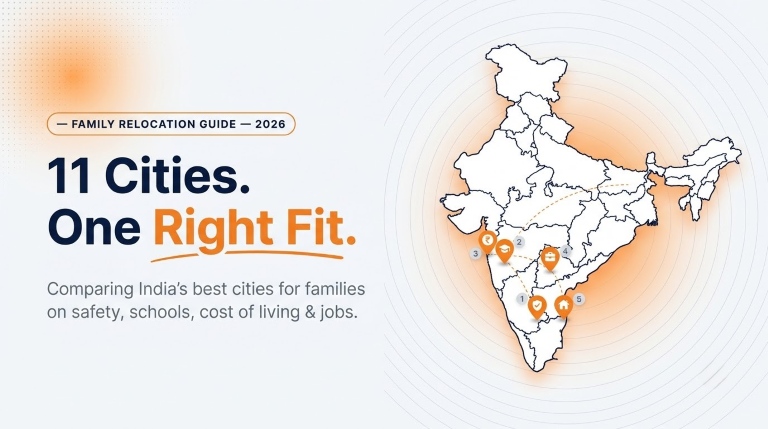
Choosing where to raise a family is one of the biggest decisions parents make. The right city needs to offer more than good schools — safety, affordable living, career opportunities, education, and everyday quality of life all matter. And while some cities have a strong family-friendly reputation, the data can sometimes tell a different story.
This guide compares 11 of the best cities in India for families in 2026 across five key factors: safety (NCRB crime data), education access, cost of living, job market strength, and cleanliness (Swachh Survekshan rankings). From career-focused hubs like Bangalore and Hyderabad to education-driven Dehradun and cleaner, more affordable Indore, the goal is to help you find the city that best fits your family's priorities.
1. Bangalore
Bangalore is one of India's best cities for families who prioritize tech careers and international-standard schools, though it comes at a real financial cost.
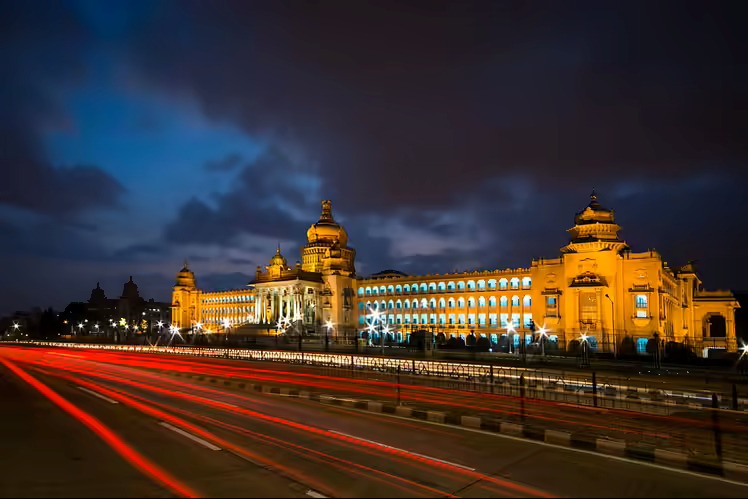
Jobs & Economy: The city remains India's largest tech and startup hub, with consistent demand across IT, R&D, and global capability centres — strong for dual-income households.
Education: Bangalore has one of India's densest networks of international and CBSE/ICSE schools. Best schools: Indus International School, The Valley School, Inventure Academy, Jain International Residential School.
Safety: Bangalore's crime rate sits close to the national average, ranking 9th among 19 major metros — reasonably safe, but not exceptional as its reputation often suggests.
Cost of Living: Rents in key micro-markets like Whitefield, Sarjapur Road, and Bellandur have risen 20–25% over the past two years, making Bangalore one of the pricier picks for families on this list.
Infrastructure & Climate: Traffic congestion is a genuine daily friction point, but the city's moderate climate and ongoing metro expansion continue to offset it for many families.
2. Chennai
Chennai pairs a strong industrial job base with one of South India's better safety and civic-order reputations.
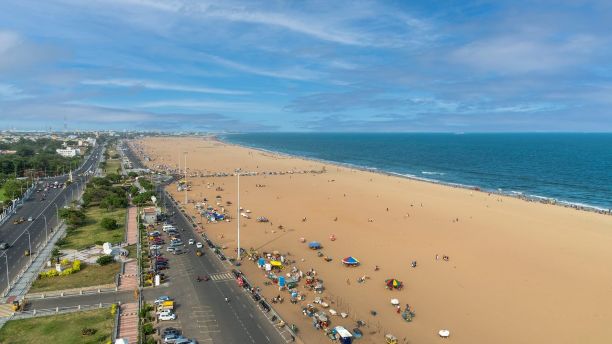
Jobs & Economy: The capital of Tamil Nadu has a well-established IT and manufacturing sector, offering steady, less-volatile job growth than some newer tech hubs.
Education: The city is genuinely education-oriented, with a dense, long-established school network. Best schools: Delhi Public School, Chinmaya Academy, Chettinad Vidyashram, Maharishi Vidya Mandir.
Safety: Chennai is consistently cited among India's safer large metros, with active policing and lower reported crime than comparable-sized cities.
Cost of Living: Moderate — noticeably cheaper than Bangalore or Mumbai, with several well-regarded neighbourhoods offering good value for families.
Infrastructure & Climate: Summers run hot and humid, and monsoon flooding has historically affected some low-lying areas, so factor neighbourhood elevation into your search.
3. Pune
Pune consistently ranks among India's safest major cities while keeping costs close to Bangalore's — a rare combination that makes it a strong all-round pick.
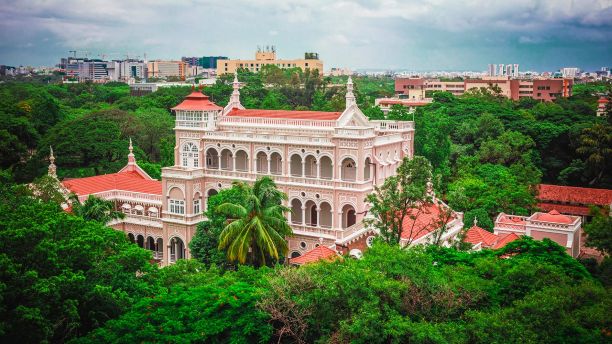
Jobs & Economy: Pune hosts some of India's largest automotive manufacturing facilities alongside a growing IT and fintech sector, giving it genuine job diversity.
Education: Long known as the "Oxford of the East," Pune's education ecosystem spans schools through top-tier universities. Best schools: VIBGYOR High School, Symbiosis International School, The Orbis School, Sinhgad Spring Dale.
Safety: Pune ranks second-safest nationally by NCRB crime data, behind only Kolkata — a genuinely strong, data-backed claim, not just reputation.
Cost of Living: Comparable to Bangalore, but generally considered more manageable if spent wisely, with a lower cost-of-entry for housing in several growing suburbs.
Infrastructure & Climate: Pleasant year-round climate and a more walkable, small-city feel than most metros of its size, though public transport lags behind its population growth.
4. Hyderabad
Hyderabad ranks third nationally for safety and consistently offers strong value relative to Bangalore or Mumbai.
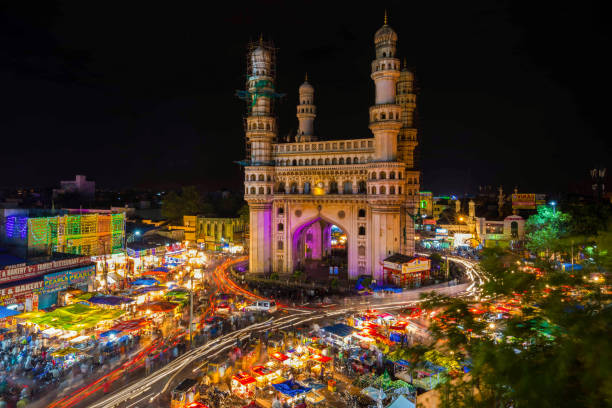
Jobs & Economy: HITEC City and the Pharma City project have made Hyderabad a genuine IT and pharmaceutical powerhouse, with steady infrastructure investment behind it.
Education: A wide mix of international and CBSE schools serves the city's large expat and IT-professional population. Best schools: Chirec International School, Oakridge International School, Aga Khan Academy, Delhi Public School.
Safety: Hyderabad is the third-safest major Indian city by NCRB data — a strong, verifiable safety profile.
Cost of Living: Moderate, and generally lower than Bangalore for comparable housing — several affordable, well-connected areas make it a strong value pick for families.
Infrastructure & Climate: Wide roads, a growing metro network, and reliable power supply support its "smart city" positioning, though summer heat is intense.
5. Chandigarh
Chandigarh trades metro-scale job diversity for exceptional civic planning — one of India's cleanest, most organized cities to live in.
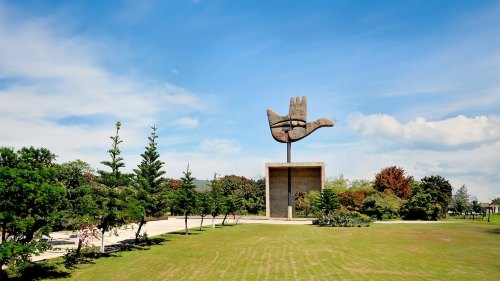
Jobs & Economy: The job market is narrower than in India's major metros, leaning on government, education, and a smaller private sector — a consideration for career-focused parents.
Education: The city has a strong, long-established school network relative to its size. Best schools: Carmel Convent School, St Johns High School, Vivek High School, Chitkara International School.
Safety: Chandigarh consistently ranks among India's safer cities, aided by low population density and strong civic infrastructure.
Cost of Living: Moderate-to-high relative to its size, but housing remains more spacious and affordable than equivalent metro options.
Infrastructure & Climate: Known for wide, well-planned roads, greenery, and low congestion; winters are cold, summers hot, but the city's design keeps daily life comfortable.
6. Mumbai
Mumbai offers unmatched career diversity, but at the country's highest cost of living and real space constraints in the city core.
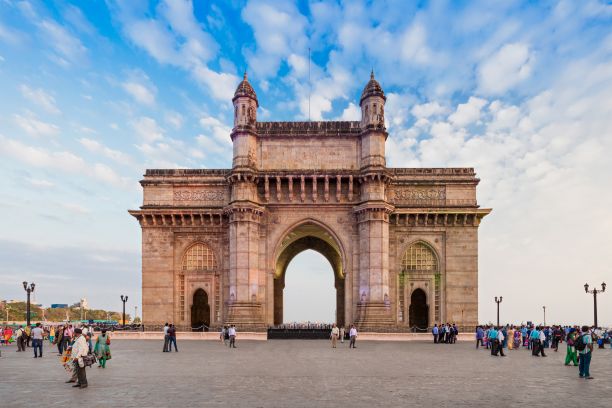
Jobs & Economy: From finance and media to fashion and fintech, Mumbai offers a breadth of career opportunity no other Indian city matches.
Education: A large, well-established network of premium schools serves the city, though seat competition is intense. Best schools: Dhirubhai Ambani International School, Bombay Scottish School, Podar International School, Campion School.
Safety: Mumbai sits at a moderate safety level nationally — better than Delhi or Kochi, but behind Pune or Hyderabad.
Cost of Living: The highest on this list by a wide margin; housing costs are the primary reason families increasingly look to more affordable neighbourhoods beyond the city centre.
Infrastructure & Climate: World-class hospitals and cultural access are real strengths, offset by congestion, humidity, and monsoon disruption in low-lying areas — worth checking before you finalize a neighbourhood.
7. Navi Mumbai
Navi Mumbai is a planned satellite city built explicitly to ease Mumbai's congestion, and it largely delivers on that promise.
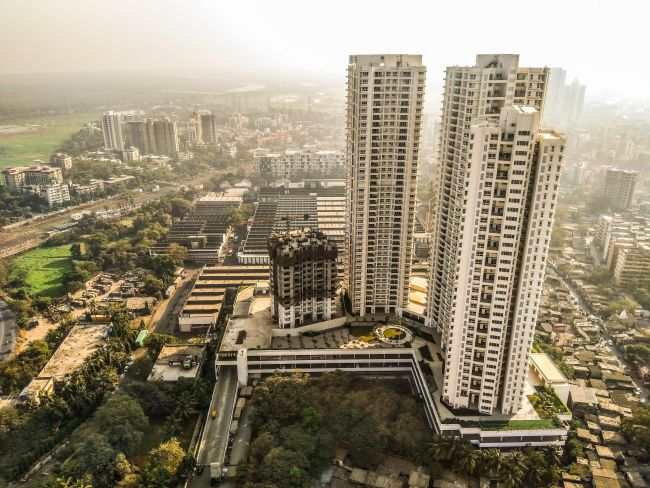
Jobs & Economy: Strong rail connectivity into Mumbai proper means residents can access the city's job market without living in it, alongside a growing local business district of its own.
Education: A solid, growing mix of CBSE and international schools serves the area's rapidly expanding family population. Best schools: DAV Public School, Delhi Public School Navi Mumbai, Ryan International School.
Safety: Navi Mumbai is regarded as a safe, well-organized alternative to central Mumbai, with lower crime density than the city core.
Cost of Living: Meaningfully lower than Mumbai proper for comparable housing, making it one of the better value entries near a major metro.
Infrastructure & Climate: Regularly ranks among India's top 3 cleanest cities in the Swachh Survekshan, with wide roads, organized sectors, and strong green space.
8. Indore
Indore has been declared India's cleanest city for eight consecutive years in the Swachh Survekshan rankings — a genuinely rare, verifiable achievement.
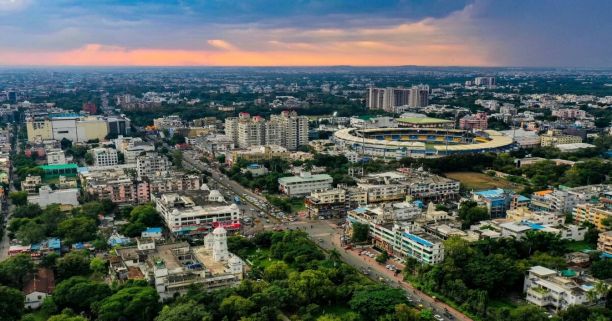
Jobs & Economy: The job market is smaller than India's major metros, but growing steadily, with strengths in trade, manufacturing, and an increasingly active startup scene.
Education: Indore is the only Indian city home to both an IIT and an IIM, signaling an unusually strong academic culture for a tier-II city. Best schools: Daly College, Emerald Heights International School, Choitram School, New Digamber Public School.
Safety: Moderate and stable, without the volatility seen in some larger, faster-growing metros.
Cost of Living: Low-to-moderate — one of the best value picks on this list for families wanting metro-level education without metro-level costs.
Infrastructure & Climate: Consistently top-ranked for waste management, sanitation, and citizen engagement; a genuinely well-run mid-size city.
9. Coimbatore
Coimbatore is India's fastest-growing tier-II city, combining a strong safety record with an education-first local culture.
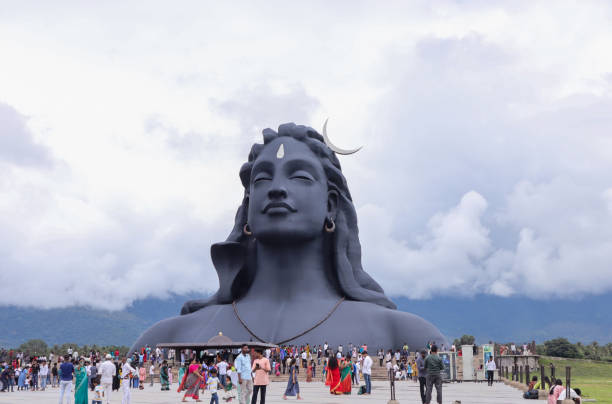
Jobs & Economy: A major IT hub for Tamil Nadu with a dense concentration of business and service establishments relative to its size.
Education: The population's education-oriented mindset creates a genuinely supportive environment for raising children. Best schools: Stanes School, Chinmaya Vidyalaya, Delhi Public School, Vidya Nikethan School.
Safety: Coimbatore is regularly cited among India's safer cities, with lower reported crime than many peer-sized metros.
Cost of Living: Low-to-moderate, offering strong value relative to the quality of infrastructure and schooling available.
Infrastructure & Climate: Well-managed power supply and pollution control for a city of its size, with a pleasant, moderate climate year-round.
10. Kochi
Kochi offers a genuinely strong work-life balance and scenic backwater setting — but safety data here deserves a closer look than reputation alone suggests.
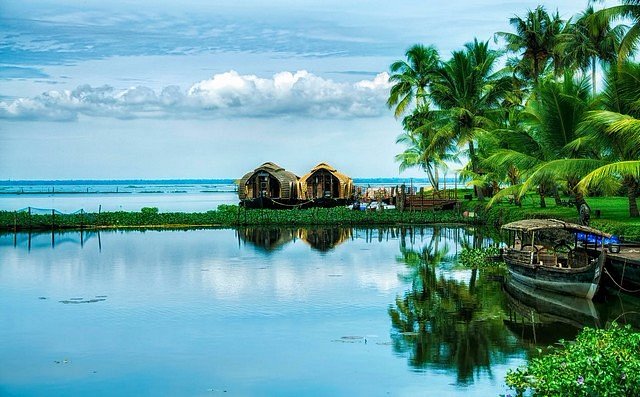
Jobs & Economy: Kerala's broader strengths in infrastructure investment and industrial growth support a stable, if smaller, local job market.
Education: Kochi and Kerala more broadly perform well on education access and school quality. Best schools: Rajagiri Public School, Global Public School, Cochin Public School, St. Alberts Higher Secondary School.
Safety: This is the city's clearest weak point — NCRB 2023 data places Kochi with the highest crime rate among India's 19 major metros, well above the national average. It's not necessarily a dealbreaker, but it should factor into your decision and neighbourhood choice.
Cost of Living: Moderate, broadly in line with other South Indian cities.
Infrastructure & Climate: The backwaters and coastal setting are a genuine quality-of-life asset, though monsoon season brings heavy rainfall worth planning around.
11. Dehradun
Known as India's school capital, Dehradun combines an unusually dense network of top institutions with a slower, hill-town pace of life.
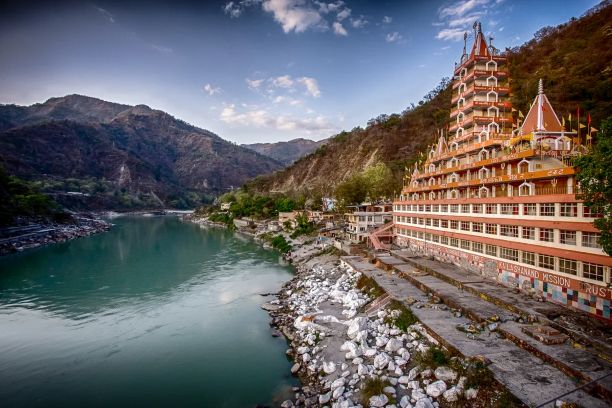
Jobs & Economy: Traditionally driven by tourism and hospitality, Dehradun is increasingly building an IT presence, though the job market remains narrower than in major metros.
Education: Few Indian cities match Dehradun's concentration of elite institutions. Best schools: The Doon School, Welham Girls School, Welham Boys' School, St. Joseph's Academy, Asian School Dehradun.
Safety: Dehradun is regularly cited among India's safer cities, aided by lower population density and a smaller urban footprint.
Cost of Living: Low-to-moderate — noticeably cheaper than metro alternatives for comparable school access.
Infrastructure & Climate: A cooler hill-town climate and slower pace of life are major draws, though this comes with a narrower range of career options than India's largest cities.
Frequently Asked Questions
Conclusion
There's no single best city — only the best fit for what you're optimizing for. If safety and cost matter most, Pune and Hyderabad lead the pack. If cleanliness and academic culture top your list, Indore is hard to beat. If career breadth is non-negotiable and budget allows, Bangalore and Mumbai (or its suburb, Navi Mumbai) still offer the most opportunity. Whichever city fits your family's priorities, weigh the data — not just the reputation — before you commit. If children are part of the move, our guide to relocating with kids covers what to plan for beyond picking a city, and you can get expert help from verified packers and movers when you're ready to make the move.