Pros & Cons of Moving to Pune: Is It the Right City for You?
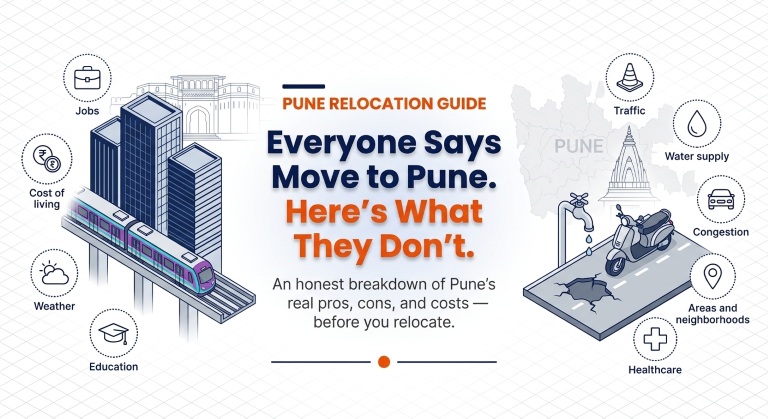
Pune has quietly become one of India's most sought-after cities to live in. With a booming IT sector, a well-rooted manufacturing industry, and a cost of living that still beats Mumbai and Bengaluru — it's no surprise people are relocating here in large numbers.
But moving on hype alone is a mistake. Pune has genuine strengths and genuine problems. This guide covers both, honestly — so you can decide with full information.
Why People Love Living in Pune
6 Reasons to MoveWeather That Works Year-Round
Pune sits at around 560 metres above sea level, which keeps temperatures naturally mild. Winters stay between 8–15°C, summers rarely cross 37°C, and monsoons (June–September) bring manageable rainfall without the flooding Mumbai sees.
For daily life, this means pleasant mornings almost every day of the year — something very few Indian metros can claim.
A Job Market Built Across Multiple Sectors
This is the biggest draw for most people relocating to Pune.
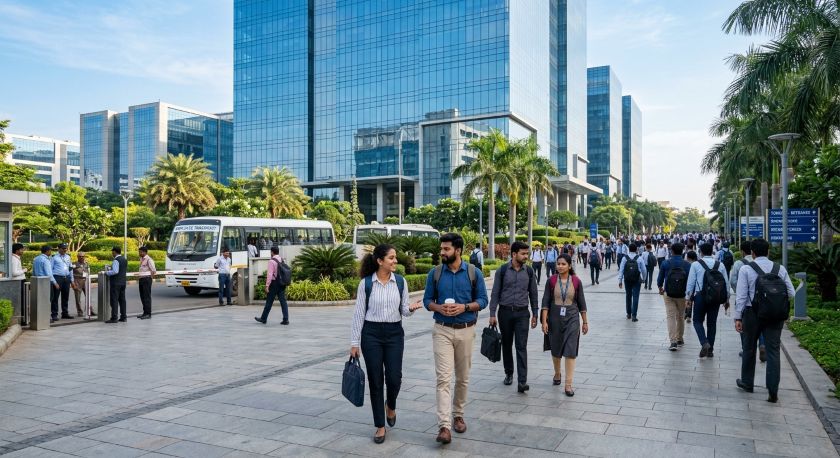
IT & Tech — Hinjewadi IT Park, Kharadi, and Magarpatta host major employers including Infosys, TCS, Wipro, and Cognizant. Pune is now firmly in the same conversation as Bengaluru for tech jobs.
Automotive & Manufacturing — Bajaj Auto, Tata Motors, Mercedes-Benz India, and Volkswagen all have significant operations here, making Pune India's de facto auto capital.
Startups — A growing startup ecosystem in EV, Fintech, and Agritech is attracting serious investment. Remote workers are also increasingly choosing Pune for its quality of life and cost balance.
Cost of Living That Remains Competitive
Pune has gotten more expensive — but it still offers strong value compared to other metros.
| Expense | Approximate Monthly Cost (2026) |
|---|---|
| 1BHK Rent (mid-range area) | ₹12,000 – ₹22,000 |
| Groceries | ₹3,000 – ₹5,000 |
| Transport (own vehicle) | ₹2,000 – ₹3,500 |
| Dining out (mid-range) | ₹200 – ₹400 per meal |
| Comfortable single living | ~₹25,000 – ₹35,000/month |
Education for Every Stage
Known as the Oxford of the East, Pune hosts over 150 colleges under Savitribai Phule Pune University. Standouts include Symbiosis International University, COEP Technological University, IIT Pune, and Ferguson College.
For families relocating with children, Pune also offers a strong school ecosystem across CBSE, ICSE, IB, and IGCSE boards.
Food That Fits Every Budget
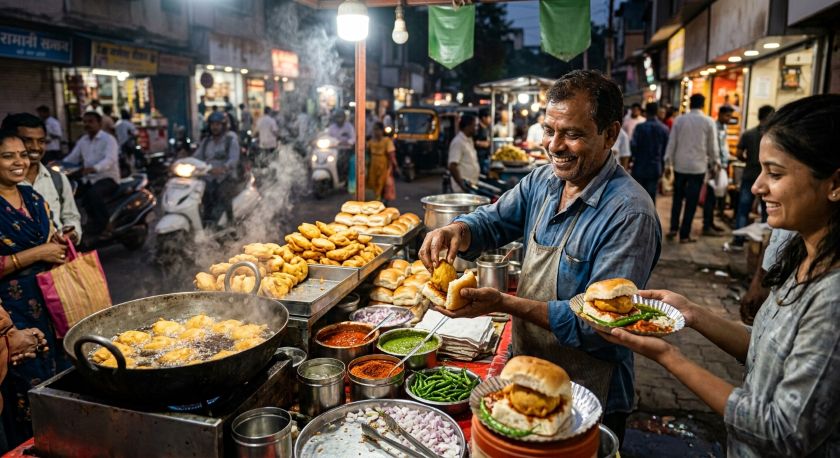
From ₹30 Vada Pavs and Misals at street stalls to multi-cuisine restaurants for weekend dining — Pune's food scene accommodates students on tight budgets and professionals looking for variety with equal ease. Eating well here doesn't require spending a lot.
Healthcare You Can Rely On
For families and anyone prioritising medical access, Pune delivers. Ruby Hall Clinic, Deenanath Mangeshkar Hospital, KEM Hospital, and Jehangir Hospital are among the city's well-regarded facilities — with both public and private options available at costs significantly lower than Mumbai.
The Real Challenges of Living in Pune
6 Things to Know Before You MovePublic Transport Still Has a Long Way to Go
Pune Metro (Lines 1 and 2) is now operational — a genuine improvement. But it covers limited corridors and most of the city remains underserved.
PMPML buses are old, infrequent, and limited in AC options. Auto-rickshaws are available but metered fares and refusals remain a daily friction point.
Traffic Congestion Is a Daily Reality
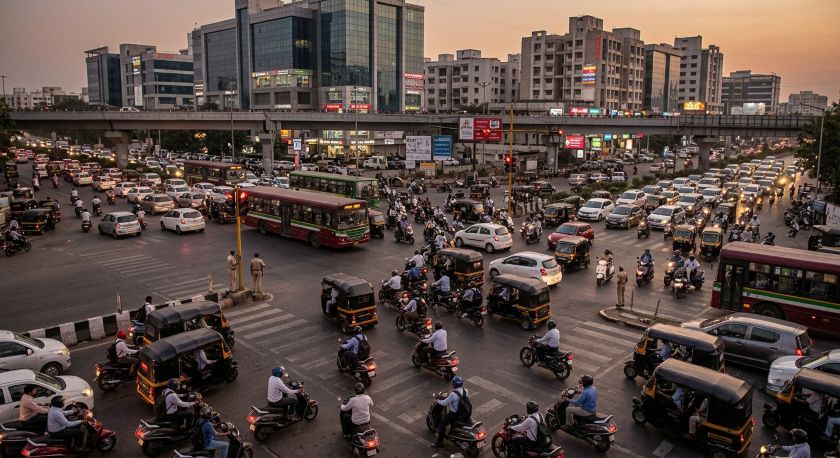
Pune's traffic isn't as severe as Bengaluru or Delhi, but it's getting worse each year. The worst-hit corridors include Katraj–Swargate, the Wakad junction, and the Hinjewadi–Baner stretch during peak hours (8–10 AM and 6–9 PM).
The dominant two-wheeler culture keeps things moving — but only just.
Road Quality Remains a Persistent Problem
Potholes, shoddy patchwork, and post-monsoon road damage are recurring issues across much of the city. Some flyovers and ring road stretches have improved connectivity, but for most daily commuters, the roads remain a genuine source of frustration.
Water Supply Can Be Unreliable
This one catches many newcomers off guard. Pune faces scheduled water cuts — especially between March and June — in many residential areas. Peripheral and newer localities tend to see more acute shortages.
Rental Costs Are Rising in Prime Locations
The cost of living section paints a fair picture — but it needs this honest counterweight. Areas like Baner, Wakad, Koregaon Park, and Viman Nagar have seen 20–30% rent increases over the last three years.
If budget is a priority, look at emerging areas — Hadapsar, Wagholi, Undri, and Ambegaon — where rents remain more affordable without sacrificing city access.
Social Adjustment: The Puneri Way
Punekars are direct, blunt, and don't warm up to strangers quickly. The famous Puneri Patyas — those witty, sharp signboards in Marathi — say it best. One in Sadashiv Peth reportedly read: "This is Sadashiv Peth, and we have a tradition of puncturing vehicles that block the way."
It takes time to build social circles here. That said, Pune is genuinely cosmopolitan — a large migrant and student population means the city is not unwelcoming to outsiders. Once you find your people, you find them for life.
Frequently Asked Questions About Living in Pune
So, Should You Move to Pune?
Yes — for most people, Pune makes strong sense in 2026.
The infrastructure challenges are real, but they are manageable. Pune is not a perfect city — but as Indian metros go, it is one of the most well-rounded ones to build a life in.
If you've decided that Pune is the right place for your next chapter, make your relocation stress-free with AssureShift. Compare verified moving companies in Pune, receive competitive quotes, and enjoy professional packing, transportation, and delivery services across Pune and throughout India.