Pros and Cons of Moving to Kolkata: A Complete Relocation Guide
Kolkata is India's safest metro according to NCRB data, yet it's still often stereotyped as chaotic and crumbling. If you're considering moving to Kolkata for work, university, or family, the reality lies somewhere in between. The city offers one of the lowest costs of living among India's major metros and the lowest reported crime rate, but it also comes with hot, humid weather and lower entry-level salaries than Bangalore or Mumbai. This guide covers everything you need to know about safety, living costs, jobs, education, healthcare, transport, weather, and infrastructure before you move.
Pros of Moving to Kolkata
Here's what makes Kolkata worth considering.
1.Culture and Heritage
Kolkata carries the literary and artistic legacy of Rabindranath Tagore and Satyajit Ray. Durga Puja has become a globally recognised cultural event. Kolkata was India's capital until 1911, when the seat shifted to New Delhi.
2.Food and Cost of Eating Out
Kolkata's street food culture — including kathi rolls and the sweet shops around College Street — keeps everyday food costs low compared to Mumbai or Bangalore.
3.Affordability and Cost of Living
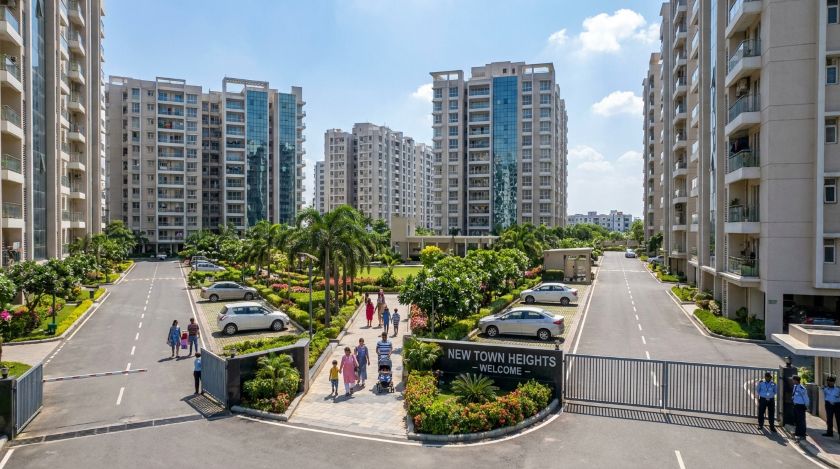
A 1BHK in New Town or Salt Lake typically runs ₹10,000–₹16,000 a month semi-furnished, and a 2BHK in the same areas costs ₹16,000–₹28,000. South Kolkata premium pockets like Ballygunge often exceed ₹25,000, while peripheral areas such as Garia and Sonarpur offer options below ₹12,000. A single person spends around ₹29,930 a month excluding rent, and a family of four around ₹1,05,938. Security deposits are typically 2–3 months' rent.
| City | Typical Rent Range (per month) |
|---|---|
| Kolkata | ₹8,000 – ₹30,000 |
| Mumbai | ₹6,000 – ₹40,000 |
| Delhi | ₹5,000 – ₹60,000 |
| Pune | ₹15,000 – ₹25,000 |
Planning your move? Check current packers and movers charges in Kolkata.
4.Education
Presidency University, Jadavpur University, and IIM Calcutta make Kolkata a strong destination for higher education. Families relocating also have a wide choice of established schools across the city.
5.Job Market
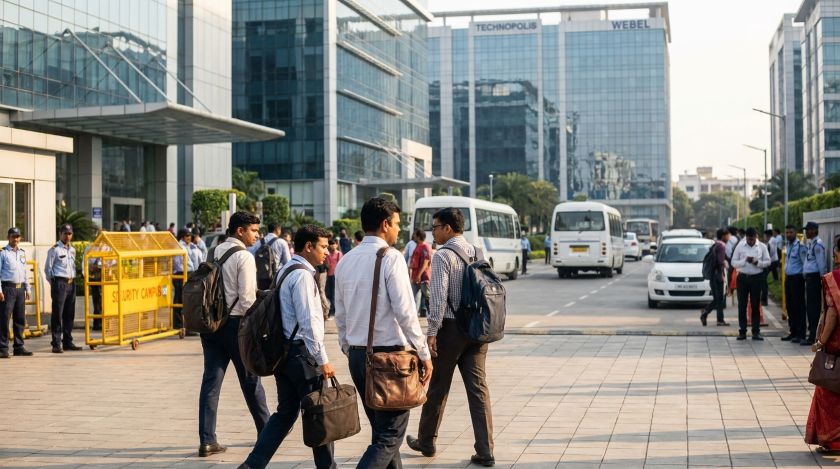
Salt Lake Sector V, home to TCS, Wipro, Cognizant, and IBM, is Kolkata's largest IT and BPO hub. IT freshers start at ₹20,000–₹35,000 a month, rising to ₹45,000–₹80,000 for senior developers. New Town and Rajarhat are the fastest-growing employment zones. Entry-level pay still trails Bangalore and Mumbai, though senior-level pay is closing the gap. If you're relocating for work specifically, see our guide on moving to Kolkata for a new job.
6.Healthcare Access
Apollo Gleneagles, Fortis, and AMRI provide reliable private healthcare access for residents.
7.Connectivity and Transport
The East-West Metro Line 2 connects Howrah to Salt Lake Sector V, and public transport overall remains affordable compared to other metros.
Once you've settled on a locality, coordinating your relocation is easy with reliable packers and movers in Kolkata.
8.Safety
Kolkata has been ranked India's safest metro city for the fourth consecutive year, according to NCRB 2023 data, with a crime rate of 83.9 per lakh population against a national metropolitan average of 828. It also recorded a 94.7% charge-sheeting rate, the third-highest among India's 19 major metros. This data has become a point of political debate within the state, but the NCRB figures are the most current, verifiable benchmark available.
Cons of Moving to Kolkata
Here's what to weigh against those advantages.
1.Overcrowding and Housing Pressure
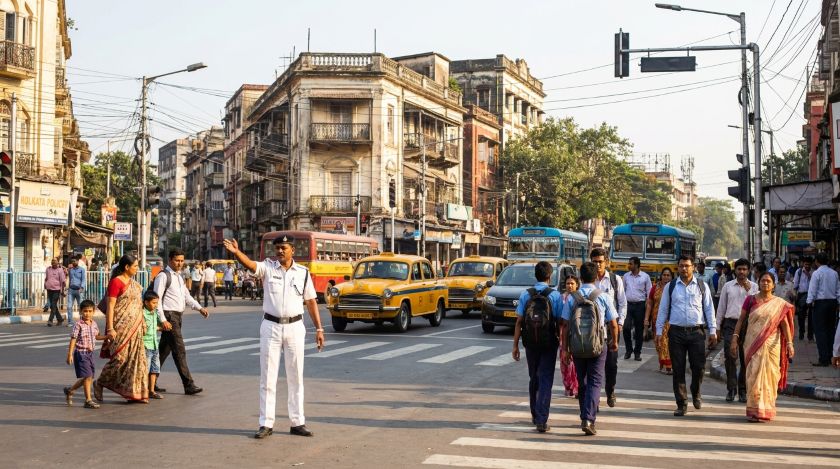
Kolkata is one of the most densely populated cities in India. Overcrowding shows up in public transport, streets, and public administration offices, and finding suitable housing has become more difficult as the population has grown.
2.Infrastructure Challenges
Kolkata's infrastructure lags behind other major metros. Roads and drainage systems struggle to keep up with demand, an issue most visible during the monsoon season.
3.Weather
Summers run long, with temperatures between 25–40°C and humidity above 70% much of the time. Winters are short and pleasant, ranging from 12–28°C. The monsoon is active, and waterlogging in parts of the city is common.
4.Pollution
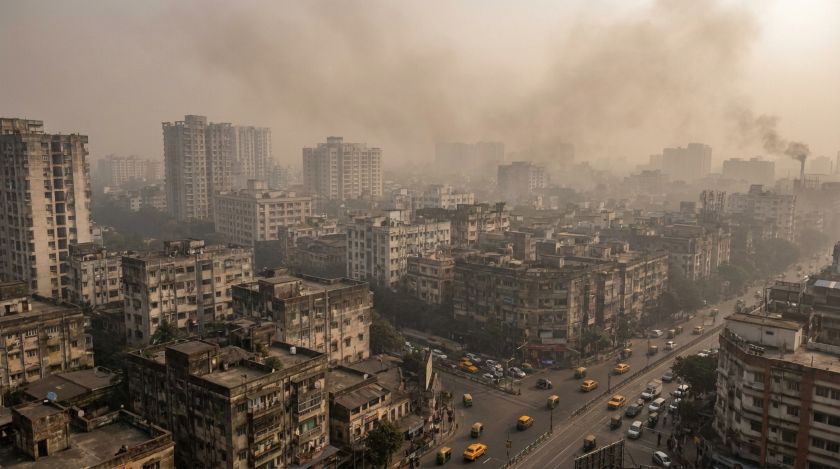
Kolkata's current AQI sits around 146, in the "unhealthy for sensitive groups" range, and the city ranks roughly 46th among the most polluted cities globally. Winter months are considerably worse than the monsoon or summer.
5.Job Market Limitations
Entry-level and mid-level salaries in Kolkata generally remain lower than in Bangalore, Mumbai, or Delhi for equivalent roles, partly offset by the lower cost of living.
6.Bureaucracy and Red Tape
Police verification of tenants is legally mandatory in Kolkata, and landlords are expected to submit tenant details to the local police station or the West Bengal Police portal.
Frequently Asked Questions
Conclusion
Kolkata offers some of India's lowest living costs and crime rates, but trades that for hot, humid weather and a more limited high-paying job market compared to Bangalore or Mumbai. For budget-conscious movers, students, culture enthusiasts, and anyone prioritising safety, Kolkata is a strong choice. If your priority is top-tier tech or finance salary scale, or the lowest possible pollution and infrastructure friction, weigh that trade-off carefully before you commit. Read our complete moving guide to Kolkata for a full relocation checklist.