How to Hire the Right Tempo for House Shifting in India
You've found your new home. Now comes the part most people underestimate — figuring out which tempo to book, how much it should cost, and how to make sure your belongings reach safely without surprises on the day of the move.
This guide covers vehicle types, how to assess your needs, what to verify before confirming, and how to avoid the most common hiring mistakes — so you can make a confident, informed decision.
Understanding Different Types of Tempos for Shifting
The Indian market offers a range of tempos suited to different home sizes and move distances. Here's what you need to know before choosing.
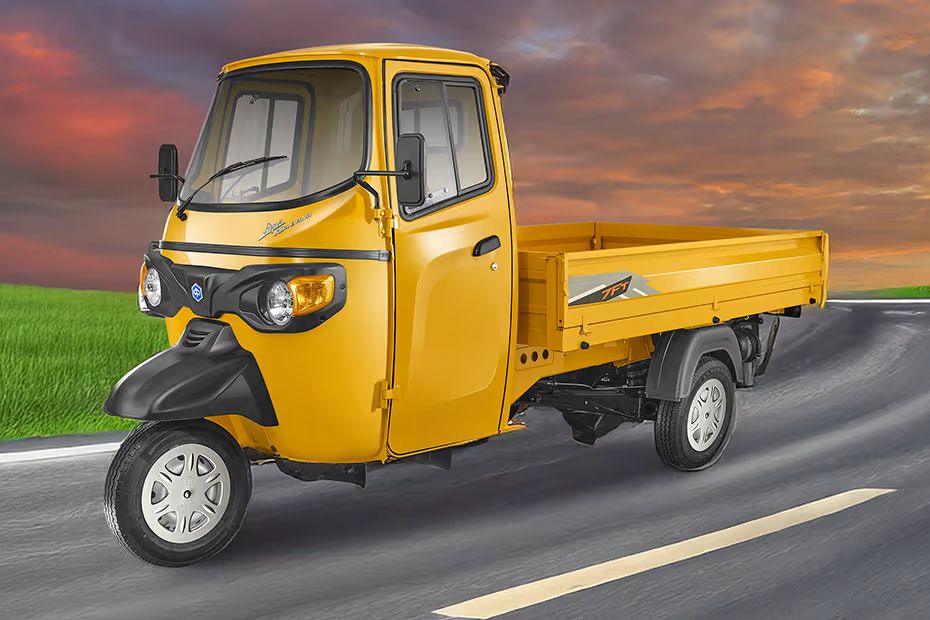
Piaggio Ape
The smallest option available, the three-wheeled Piaggio Ape carries roughly 400–500 kg — practical only for very light loads like a hostel/PG room relocation. Extremely easy to manoeuvre in dense neighbourhoods, but expect multiple trips for anything beyond a single room.
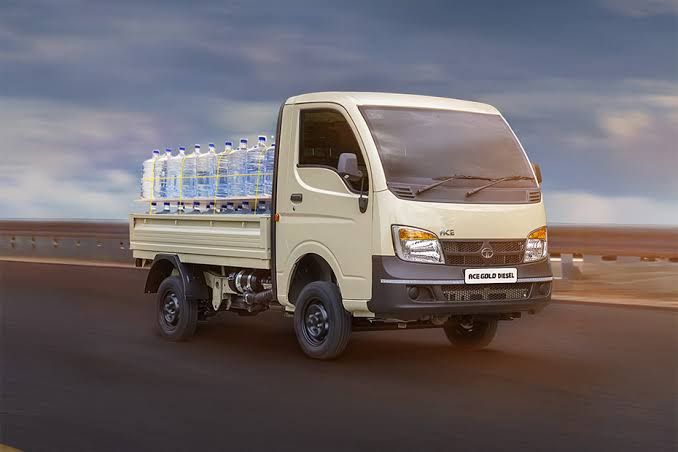
Tata Ace (Chota Hathi)
One of the most commonly used tempos for house shifting in Indian cities. The Tata Ace handles up to 750 kg and fits the contents of a standard 1BHK in one or two trips. Its compact size is a practical advantage in cities like Mumbai, Delhi, and Bengaluru where building access and parking space is tight. The electric variant (Tata Ace EV) is increasingly available in metros at comparable rates.
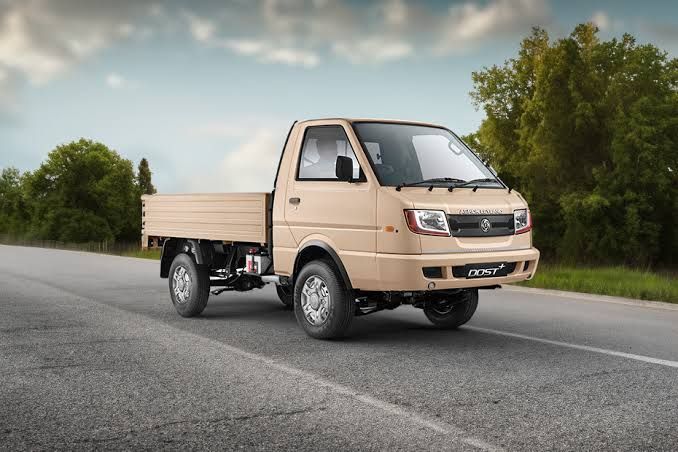
Ashok Leyland Dost
At around 1.5 tonnes capacity, the Dost handles larger furniture — wardrobes, double beds, washing machines — alongside boxes, often in a single trip. A solid choice for intra-city moves involving multiple rooms without needing a full truck.

Mahindra Bolero Pickup
Durable and widely available, the Bolero Pickup handles heavier and bulkier loads well — multi-bedroom household moves with large appliances, heavy furniture sets, and high box volumes. Particularly reliable on inter-city routes.
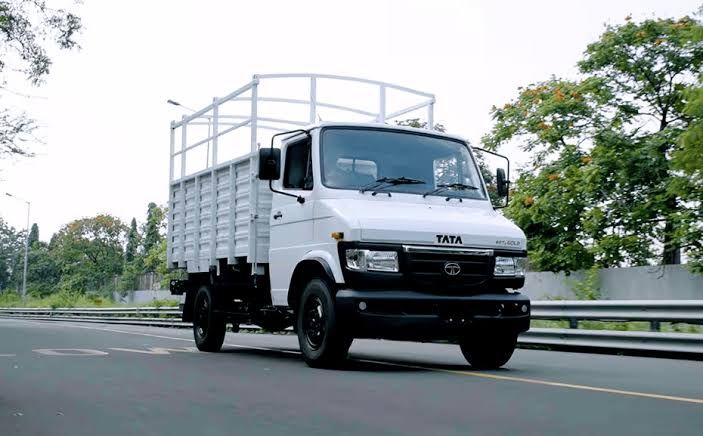
Tata 407
A light commercial truck with a payload of around 2–2.5 tonnes. It can carry nearly an entire household's belongings in one go — the preferred choice for full-house inter-city relocations. For large moves, hiring a Tata 407 over a smaller vehicle almost always works out cheaper once you account for fewer trips, less time, and less labour.
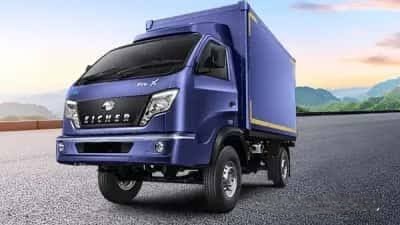
Eicher Mini Truck
For moves where the volume of goods exceeds what a Tata 407 can manage — large 3BHK+ homes, showroom or office furniture-heavy relocations — the Eicher mini truck provides the next step up without requiring a full heavy commercial vehicle.
Quick Reference: Which Tempo for Which Home?
| Vehicle | Approx. Capacity | Ideal For | Trips Needed (Typical 2BHK) |
|---|---|---|---|
| Piaggio Ape | ~500 kg | Single room / PG | 4–5 |
| Tata Ace | ~750 kg | 1BHK | 2–3 |
| Ashok Leyland Dost | ~1.5 tonnes | 2BHK | 1–2 |
| Mahindra Bolero Pickup | ~1.5–2 tonnes | 2–3BHK | 1–2 |
| Tata 407 | ~2–2.5 tonnes | 3BHK / Office | 1 |
| Eicher Mini Truck | ~3+ tonnes | Large home / Commercial | 1 |
Open Body vs Closed Body Tempo — Which Should You Choose?
This is one of the most important decisions in tempo hiring and is rarely discussed clearly.
Have an exposed cargo bed, covered with a tarpaulin. Cheaper, widely available, and acceptable for short intra-city moves in good weather with well-packed items.
- It's a short intra-city move in clear weather
- Items are robust and non-fragile
- Cost is the primary concern and the risk is acceptable
Have an enclosed cargo area with walls and a roof. Your goods are fully protected from rain, dust, and road exposure throughout the journey.
- Moving inter-city or over a long distance
- Goods include furniture, electronics, or fragile items
- There is any chance of rain during the move
Assessing Your Relocation Needs
Before contacting any service provider, spend a few minutes honestly assessing what your move involves.
Walk through your home and estimate the total. A useful shorthand: a furnished 1BHK typically generates 15–25 boxes plus furniture; a 2BHK generates 30–50 boxes plus furniture. This rough estimate tells you whether a Tata Ace or a Dost is your starting point.
Local moves and inter-city moves require different vehicles and different documentation. For local moves, a smaller vehicle making two trips can sometimes cost less than one large trip. For inter-city, consolidating into one closed body vehicle is almost always safer and more economical.
Heavy furniture and appliances need a vehicle with adequate payload. Fragile items benefit from a closed body and better suspension. Extremely bulky items — pianos, large factory equipment — may require specialist handling beyond a standard tempo.
Critical for urban moves in India, and overlooked by most guides:
- Does your building have a functioning lift? No lift on upper floors means significantly more labour time.
- Is there parking access for a larger vehicle, or will goods need to be carried a long distance from the vehicle to your door?
- Do society rules restrict moving times (e.g. no lifts after 10 PM, no move-in on Sundays)?
These directly affect which vehicle size is practical and how long — and therefore how much — the job costs.
Peak moving periods in India are end-of-month (25th to 5th of the next month), April–May, and October–November. Tempo availability drops and prices rise during these windows. Book at least 2 weeks ahead during peak seasons. Weekday moves (Tuesday to Thursday) are typically cheaper and easier to schedule than weekends.
Comparing Costs and Budgeting
Tempo hiring costs vary by city, vehicle size, distance, season, and whether labour is included. Understanding how pricing is structured helps you evaluate any quote you receive.
How Pricing Typically Works
Flat Trip Rate
A fixed charge for a defined pickup-to-delivery route. Common for intra-city moves and easiest to compare across providers.
Per Kilometre Rate
A base charge plus a per-km rate. Common for inter-city moves. Always clarify whether the rate is one-way or includes the empty return journey.
Hourly Rate
Common for uncertain timelines. Clarify when the clock starts — at the driver's departure point, or your pickup address — and the rate after free hours are exhausted.
What Affects the Final Cost
- Vehicle size: Larger vehicles cost more per trip, but fewer trips for large moves often make them cheaper overall.
- Labour: Loading and unloading is usually charged separately from the vehicle hire. Confirm upfront whether it is included.
- Floor access: No-lift buildings on upper floors add labour time, which some providers charge for.
- Season and day: Peak periods and weekends attract higher rates.
Hidden Costs to Clarify Before Confirming
Verifying Documentation and Compliance
Before any goods are loaded, the service provider should be able to show the following.

Documents to Verify
Additional Requirements for Inter-City Moves
Red Flags to Watch For
Key Questions to Ask Before Confirming Your Booking
A provider who answers these clearly and without hesitation is one you can rely on. Evasive or vague answers are a signal to keep looking.
Frequently Asked Questions
Conclusion
Hiring the right tempo comes down to matching the vehicle to your actual load, understanding what you're paying for, and verifying the provider before anything is loaded.
The decisions that matter most — vehicle size, open vs closed body, labour inclusion, documentation — are all ones you can make confidently with the preparation this guide covers.
Match the Vehicle
Choose based on your actual home size and load.
Understand the Cost
Know the pricing model and what hidden charges to ask about.
Verify the Provider
Check documents and get a written confirmation.