Relocating to Kochi: Pros and Cons to Consider

If you're considering a move to Kochi — for a job, a business opportunity, or just a change of pace — you're looking at one of South India's most economically diverse coastal cities, where a centuries-old spice-trade port sits alongside a fast-growing IT corridor. But every city has trade-offs, and Kochi is no exception.
This guide breaks down the honest pros and cons of moving to Kochi: job opportunities, cost of living, culture, transport, and climate, weighed side by side. Whether you're an IT professional eyeing Infopark, a family planning the move, or a student relocating for the first time, you'll get a clear-eyed picture before you pack a single box.
Pros of Moving to Kochi
1. A Genuinely Diverse Job Market
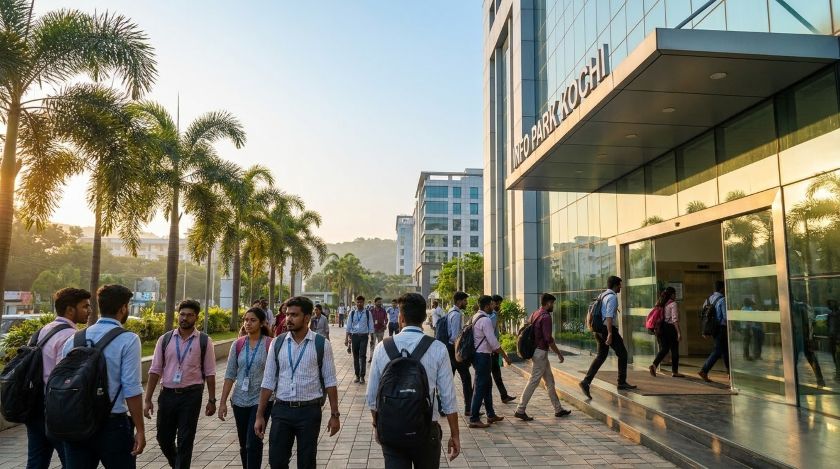
Kochi's economy isn't a one-industry town, which is one of its biggest advantages over other relocation hotspots. Infopark Kochi, based in Kakkanad, has been Kerala's flagship IT park since 2004 and now houses hundreds of resident companies, with 2026 hiring trends leaning toward senior technical roles, AI-focused positions, and specialized software talent. Alongside it, SmartCity Kochi — a large-scale IT township project developed in partnership between Dubai's TECOM and the Kerala government — is expected to eventually support thousands of additional jobs once fully built out.
But Kochi's job market goes well beyond IT. As a major port city, it's home to Cochin Port, Cochin Shipyard, and the BPCL Kochi Refinery, all significant employers in engineering, logistics, and operations. Add tourism, healthcare, and banking to the mix, and Kochi offers a rare thing for a mid-sized Indian city: multiple stable industries to fall back on, not just one. If you're still weighing your options, it's worth checking out our roundup of the best cities in India for your dream job before deciding where to settle.
2. A Layered Cultural Heritage
Few Indian cities carry the mixed cultural fingerprint that Kochi does. Centuries of spice trade brought Portuguese, Dutch, and British influence to the region, and that history is still visible in the city's architecture and neighborhoods — from Fort Kochi's colonial-era streets to the Jewish quarter in Mattancherry. For residents, this isn't just sightseeing; it shapes the food, festivals, and everyday cosmopolitan feel of the city, and it makes Kochi an easy place for newcomers from other states or countries to settle into without feeling like outsiders.
3. A Strong Local Food Scene
Kochi's food culture centers on fresh seafood and Kerala's distinct culinary traditions. Expect dishes built around the day's catch, along with Kerala staples like appam with stew and karimeen (pearl spot fish) preparations. Toddy shops and small local eateries offer an inexpensive, authentic way to eat well, and the city's growing café and restaurant scene means there's also plenty for people who want something more contemporary.
4. Reasonably Affordable Cost of Living
Compared to India's larger metros, Kochi remains genuinely affordable, though costs do vary a lot by neighborhood. Budget-friendly areas like Edappally or Vyttila tend to offer 1BHK rents on the lower end, while more central or upscale pockets like Kadavanthra or Panampilly Nagar run higher. As a rough planning figure, expect a 1BHK to cost somewhere between ₹8,000 and ₹25,000 a month depending on location and furnishing, with overall monthly living costs (excluding rent) typically falling in a moderate range for a single person. It's not the cheapest city in Kerala, but it's noticeably easier on the wallet than Bengaluru, Mumbai, or Delhi.
5. Everyday Access to Green and Coastal Spaces
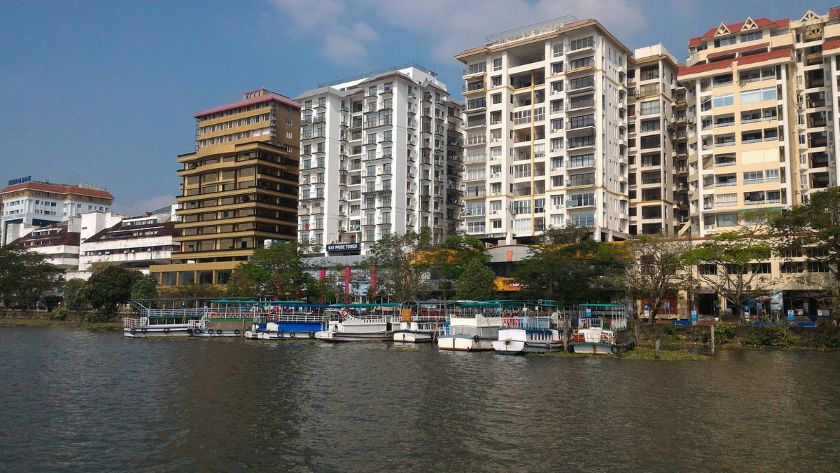
Life in Kochi doesn't require a long weekend trip to unwind. Marine Drive, the Mangalavanam bird sanctuary, and waterfront spots around Bolgatty are all part of daily life for residents, not just tourist stops. For people who want some access to nature and open space without leaving the city, this is a meaningful quality-of-life advantage that's harder to find in more landlocked, concrete-heavy Indian cities.
6. India's First Water Metro Network
This is arguably Kochi's most distinctive infrastructure advantage. The Kochi Water Metro, launched in 2023, is India's first integrated water-based public transport system, connecting island and mainland areas through a network of electric boats tied into the existing Kochi Metro rail line. It's not just a local novelty — the Kerala government has announced plans to extend the network to coastal areas like Alappuzha and Kollam, a feasibility study is underway to link it directly to Cochin International Airport, and the Indian government is reportedly using the Kochi model as a blueprint to introduce water metro systems in other cities nationwide. For residents, this means an unusually pleasant and low-stress way to get around a city built around backwaters and islands — something genuinely unique to Kochi.
Cons of Moving to Kochi
1. Traffic Congestion

As with most Indian cities of its size, Kochi's roads get heavily congested during peak hours, and the driving style can feel aggressive if you're not used to it. The Metro and Water Metro have eased some of this pressure on specific corridors, but if your daily commute runs through the city's busier stretches, you should plan for delays.
2. High Humidity Year-Round
Kochi's tropical climate means consistent humidity, with average temperatures hovering around 28°C throughout the year. There isn't a dry, cool season to look forward to the way there is in North India, and this can take real adjustment for people moving from drier or more temperate climates. Most residential buildings and offices have air conditioning, which helps, but it's worth budgeting for the added electricity cost.
3. Language Barrier for Non-Malayalam Speakers
English is widely used in professional settings, but Malayalam is the everyday language across much of the city, especially outside core business districts. Navigating local markets, dealing with domestic help, or handling everyday errands can be harder without at least a few basic Malayalam phrases. Most people are patient and helpful with newcomers, but it's a real adjustment, not a minor one. Our guide on adjusting to a new city after relocation has some practical tips that can help ease this transition.
4. Fewer Opportunities in Certain Sectors
While IT, port operations, and tourism are strong, sectors like finance and law have a noticeably smaller footprint in Kochi compared to cities like Bengaluru or Mumbai. If your career is in one of these niche sectors, you may need to consider remote work arrangements or accept that in-city opportunities will be more limited.
5. Public Transport Gaps Outside the Metro Corridor
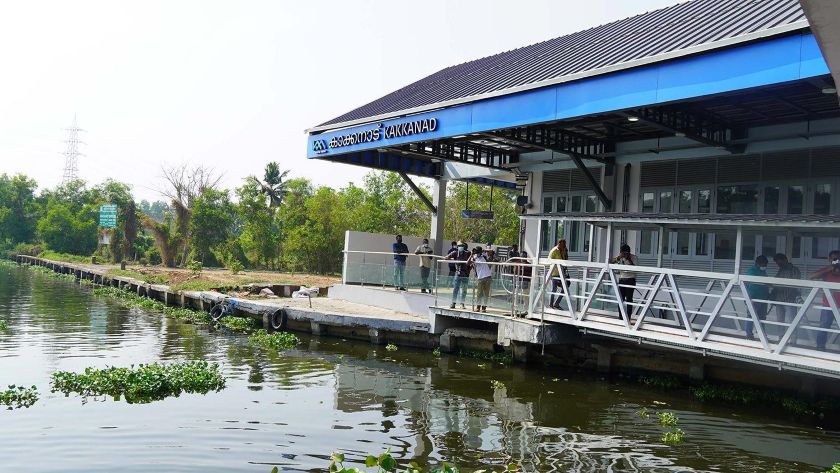
The Kochi Metro and Water Metro are genuine strengths, but they don't yet cover the entire city. Buses can be overcrowded and run on inconsistent schedules, and autos or taxis get expensive if you rely on them for a daily commute. If you'll be living or working outside the areas the Metro network currently serves, factor in the cost and hassle of a personal vehicle.
Frequently Asked Questions
Conclusion
Relocating to Kochi means trading the intensity of India's largest metros for a more balanced, coastal pace of life — without giving up real job opportunities. The city's mix of IT, port, and tourism employment, its relatively affordable cost of living, and its genuinely unique Water Metro system make it a strong option for professionals, families, and students alike. The trade-offs are real too: humidity, a language adjustment, and transport gaps outside the Metro corridor are worth planning for rather than discovering after you've moved. For a deeper dive into settling in, check out our complete guide to living in Kochi.
If Kochi's pros outweigh its cons for your situation, the next step is planning the move itself. Our Professional Shifting in Cochin can help make that transition smooth and stress-free — and that's where getting the logistics right makes all the difference.